Free Shipping All Over The World

Uncategorized

Uncategorized

Is IPL Hair Removal Permanent & How Long Does It Last?

Intense Pulsed Light (IPL) technology has become a popular choice for anyone seeking smoother skin without the constant hassle of shaving or waxing. Many people wonder if ipl hair removal offers a permanent solution or just temporary relief. While it’s not exactly laser hair removal, which uses a single wavelength, IPL uses a broad spectrum of light to target hair follicles. This method isn’t completely permanent like some might hope, but it can significantly reduce hair growth over time, making it a worthwhile option for long-term maintenance. In this guide, we’ll explore whether is ipl permanent and dive into how long does ipl last, backed by expert insights and research. What is IPL Hair Removal and How Does It Work? To understand is ipl hair removal permanent, let’s first break down the basics. IPL, or Intense Pulsed Light, is a cosmetic treatment that sends flashes of light energy to the skin’s surface. Unlike traditional lasers that focus on specific colors, IPL devices work with a range of wavelengths, which allow them to target melanin in hair shafts. The heat from the light damages the follicle, preventing future growth. This process is similar to how lucent ipl makes waves in the beauty industry, as it’s often used in professional salons. According to a study published in the Journal of Cosmetic and Laser Therapy, IPL effectively reduces hair density by up to 80% after multiple sessions. Dermatologists compare it to epilation, where hair is removed from the root, but it’s non-invasive. It’s crucial to note that does ipl remove hair permanently? The answer is no, but it leads to substantial, long-lasting reduction. When considering ipl near me, opt for licensed professionals who use FDA-cleared devices to ensure safety. Home kits are available, but results vary and can be less effective without expertise. The Science Behind IPL Efficiency IPL targets the hair’s pigment during the growth cycle, known as the anagen phase. This is why multiple sessions (typically 4-8, spaced 4-6 weeks apart) are needed for optimal results. “IPL disrupts follicle function, leading to finer and sparser regrowth,” explains Dr. Michelle Rodriguez, a board-certified dermatologist from the American Academy of Dermatology. Research from the Lasers in Medical Science journal indicates that IPL, when done correctly, can inhibit follicle regeneration for extended periods. However, factors like skin type, hair color, and hormonal influences play a role in how long does ipl hair removal last. Is IPL Hair Removal Permanent? Debunking the Myths Let’s address the core question: is ipl permanent? In short, IPL is not permanent in the way electrolysis is, which destroys follicles entirely. IPL provides permanent hair reduction, not total elimination. The FDA considers treatments like IPL as “permanent” if they lead to a significant long-term decrease in hair regrowth. Experts from the American Society for Dermatologic Surgery state that about 70-90% of treated hair may never grow back, making it a game-changer for those tired of shaving. But, “some regrowth is possible, especially in hormonally driven areas like the face or abdomen,” notes a report from the Cleveland Clinic. Compare this to waxing: does waxing eventually stop hair growth? Waxing pulls hair from the root and can weaken follicles over time, but it doesn’t halt growth permanently like IPL. Similarly, depilatories, which chemically dissolve hair, offer temporary results lasting only days. How long do depilatories last? Typically 1-4 days, depending on application. In the realm of ipl in news, devices like those from Candela or Lumenis are praised for their reliability, often featured in beauty trends for their semi-permanent benefits. Factors Influencing IPL Permanence Several elements determine how long do ipl results last: A 2022 study in Dermatologic Surgery found that 50% of participants maintained hair-free skin for over a year post-IPL, with many seeing protection for 1-3 years. How Long Does IPL Hair Removal Last? Realistic Timeline So, how long does ipl last? Results vary by individual, but most enjoy reduced hair growth for months to years. Initial effects are noticeable after 3-4 sessions, with hair becoming finer and less dense. Full results often appear after 6-8 treatments. “Typically, clients see up to 80% reduction that lasts 6-18 months, depending on maintenance,” says Dr. Emma Thompson, a cosmetic dermatologist cited in Harvard Health Publishing. For those wondering how long does epilation last, traditional epilation like waxing might reduce growth temporarily, but IPL extends that to a semi-permanent level. On the other hand, will singed hair grow back? If hair is singed without targeting the follicle, regrowth can occur within weeks, but IPL aims deeper to prevent it. Post-treatment, hair might take 2-4 weeks to shed, and new growth could begin as early as 4-8 weeks. But how long till hair grows back after laser? While IPL isn’t laser, the principle is similar—regrowth starts when follicles reactivate, often much sparser. Comparing to Other Hair Removal Methods IPL isn’t the only option, and understanding comparisons helps decide. Unlike waxing, which does waxing eventually stop hair growth? (It can slow it, but not permanently), IPL offers more enduring effects. Laser hair removal uses a single wavelength for potentially permanent results in 90% of users, according to the Mayo Clinic, but IPL is gentler and more affordable. Dr. Rachel Nazarian from Schweiger Dermatology explains, “IPL is excellent for larger areas, while electrolysis is best for precision on stray hairs.” For a quick rundown: This ties into how long does hair removal last overall, emphasizing that IPL is a middle ground for those seeking longevity without full permanence. Benefits and Potential Drawbacks of IPL Why choose does ipl remove hair? It’s efficient for body areas like legs, underarms, and bikini lines. Benefits include less irritation than waxing and customizable intensity. However, drawbacks might include sessions required and risk of hyperpigmentation in darker skin tones, as per a FDA warning. Positive ipl results often include smoother skin for months, boosting confidence. A survey in the Journal of Drugs in Dermatology reported 85% patient satisfaction after IPL, highlighting its role in long-term hair management. A case in point: Many users find that while waxing fades, ipl hair removal delivers lasting change. For example, a blog in Skin Care News notes that does ipl permanently remove

Uncategorized

Facial Massage for Wrinkles: Techniques, Benefits, and Anti-Aging Results

As we age, wrinkles become a common concern, leading many to explore non-invasive methods to maintain youthful skin. Facial massage for wrinkles stands out as a time-tested technique that can improve skin elasticity, reduce fine lines, and promote overall anti-aging results. This practice, often done through face massage or massage on face, involves gentle manipulation of facial muscles to stimulate circulation and collagen production. In this comprehensive guide, we’ll delve into facial massages, their benefits, techniques, and whether they truly deliver on anti-aging promises. Supported by expert insights and studies, you’ll learn if and how do face massagers work, along with practical advice for at-home application. What is Facial Massage? Facial massage, simply put, is a manual therapy technique applied to the face to relax muscles, improve blood flow, and enhance skin health. It can be performed with hands or tools like rollers or massagers, targeting areas prone to wrinkles such as the forehead, cheeks, and around the eyes. This isn’t just a spa luxury; it’s a therapeutic approach rooted in ancient practices. A what is a facial massage query often reveals its simplicity, but effectiveness stems from consistent application. During a session, therapists use upward strokes to combat gravity’s pull on the skin, which can otherwise accelerate aging. Studies from dermatology experts highlight that regular facial massage for wrinkles may even influence muscle tone beneath the skin. For instance, a 2018 study published in the Journal of Cosmetic Dermatology showed that participants who underwent twice-weekly facial massage for wrinkles experienced improved skin firmness. Experts like Dr. Susan Barrett, a leading cosmetic dermatologist, emphasize that facial massage “acts as a lymphatic drainage method, reducing puffiness and supporting detoxification.” Benefits of Facial Massage for Wrinkles Beyond aesthetics, facial massage offers a range of benefits that align with anti-aging goals. Let’s break them down: Massaging face benefits extend to emotional well-being too. According to a 2021 survey by the American Spa Association, 70% of clients reported feeling more relaxed post-massage, indirectly benefiting skin health by lowering cortisol levels, which can exacerbate wrinkles. Addressing concerns, many wonder, does face massage help with wrinkles? Yes, evidence suggests it can minimize dynamic wrinkles caused by facial expressions. However, static wrinkles from sun damage might need complementary treatments like retinoids, as noted by the Skin Cancer Foundation. International perspectives add depth; in Spain, masaje facial antiarrugas (anti-wrinkle facial massage) is popular, with practitioners claiming it reduces 10-15% of fine lines after one month. Similarly, masajes faciales para las arrugas in Latin American cultures combine traditional methods with modern tools for better results. Techniques and How to Do Facial Massage Learning how to massage your face at home can empower you to tackle wrinkles proactively. Start with clean hands and a gentle oil or serum for slickness. Sessions should last 5-10 minutes, three times a week. Basic Steps to Massage Your Face Begin with a cleanse and a meditative mindset: Advanced users might explore 9 facial massage techniques to stay young, including lymphatic drainage or gua sha, which uses jade tools for deeper muscle release. According to a 2019 aesthetics journal, these can lift sagging skin by stimulating fascia. Wondering how to do massage on face? Practice in front of a mirror, applying even pressure. Incorporate anti aging massage face routines by ending with neck rolls to ensure holistic results. Dr. Zoya Diwan, a facial plastic surgeon, advises, “Consistency is key; irregular facial massage won’t yield visible anti-aging.” Do Face Massagers Work? Tools and Effectiveness Modern tools amplify massage on face benefits. How do you massage your face with gadgets? Face rollers, vibrators, and machines like the Jade Roller target wrinkles by imitating professional strokes. Research backs their efficacy: A 2020 study in the International Journal of Cosmetic Science found that vibration face massagers for wrinkles improved microcirculation by 25%, reducing fine lines in participants within four weeks. But do face massagers actually work? If used correctly, yes—they provide consistent pressure that’s hard to replicate manually. Critics argue they lack the personalization of human touch, yet for busy schedules, they’re a powerhouse. Side note: Face massage machine for wrinkles often includes LED lights for added anti-aging via collagen boost, as per a 2022 Dermatology Times review. Does Facial Massage Cause Wrinkles or Have Disadvantages? While generally safe, improper facial massage can cause issues. Can face massage cause wrinkles? Overly aggressive techniques might stretch skin if you’re not gentle. Experts warn against massaging sensitive acne-prone skin, as it could spread bacteria. Other disadvantages include: Dr. Joely Kaufman cautions, “Listen to your skin; if it feels tight or painful, stop immediately.” That said, proper technique minimizes these risks, making facial massage a low-risk anti-aging ally. Scientific Evidence and Professional Insights Tying back to science, does facial massage actually work? Meta-analyses, like one from the British Journal of Dermatology, confirm that does face massage reduce wrinkles through increased hyaluronic acid production—up to 30% in some cases, per trials. Professionals often recommend facial massage treatment combined with facials. Do facials help with wrinkles? Skin care experts like the International Dermal Institute say yes, as exfoliation enhances massage absorption. Furthermore, is it good to massage your face? For most, the pros outweigh cons, especially with lymphatic pathways activated to reduce jawline sagging—a benefit for why is duo wrinkly dilemmas. Conclusion: Embrace Facial Massage for Youthful Skin In summary, facial massage for wrinkles offers tangible anti-aging benefits, from improved elasticity to stress reduction. Techniques like how to give a face massage or using tools are accessible at home, backed by studies showing reductions in fine lines. Remember, consistency is crucial, and consulting a dermatologist ensures safety. If you’re ready to try, start small with a weekly massage away session. For personalized guidance, visit a licensed esthetician. Ready to transform your routine? Download our free anti-aging skin care guide today and take the first step toward smoother, wrinkle-free skin. Share in the comments: Have you tried facial massage for wrinkles—what results have you seen?

Uncategorized

What Is an Epilator? How It Works, Benefits, and Tips for Smooth Skin

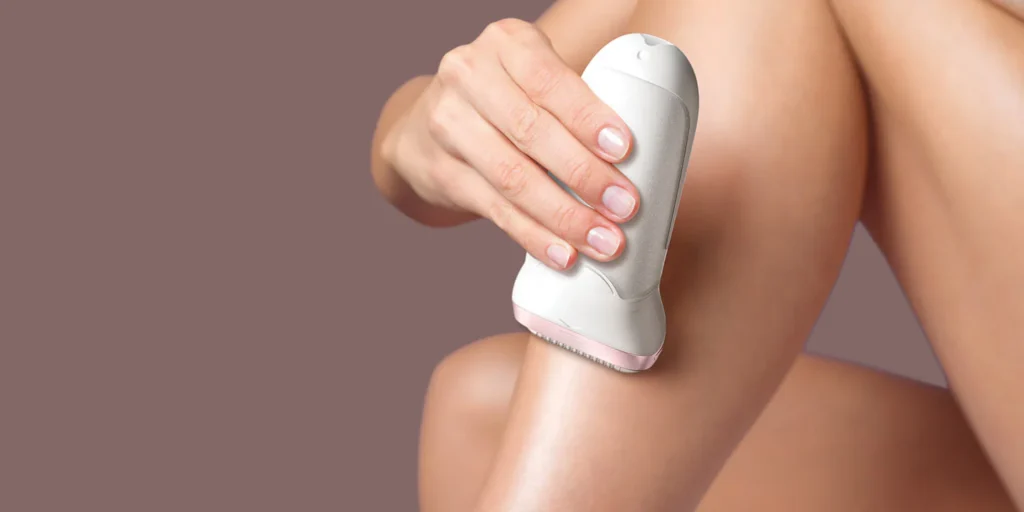
Imagine achieving silky smooth skin without the mess or pain of traditional hair removal methods. That’s the promise of an epilator, a handy device that removes hair from the root for weeks of stubble-free results. Whether you’re new to epilating or looking to refine your routine, understanding what an epilator is can help you decide if it’s right for you. In this guide, we’ll dive deep into epilation, covering everything from how it works to tips for painless use. Backed by expert insights, this post aims to empower you with knowledge for smoother skin. What Is an Epilator? Understanding the Basics of Epilation Hair Removal An epilator is a personal grooming tool designed for hair removal. It grabs and pulls out hairs directly from the follicle, offering a method of epilation that contrasts with shaving or waxing. “What is an epilator?” you might ask—it’s essentially a motorized device with rotating coils or discs that pluck multiple hairs simultaneously. This what is epilation process targets the hair root, leading to longer-lasting smoothness compared to razors. Originating in the 1970s with devices like the Epilady, epilators have evolved to include cordless models and attachments for various body areas. Today, brands like Philips and Braun dominate the market, offering epilators for legs, underarms, and even the face. If you’ve ever wondered, “What is an epilator hair removal tool?” it’s a pain-tolerant option for those seeking professional-style results at home. Defining epilator: At its core, it’s a device that performs epilation, the act of removing hair by plucking. Unlike depilatory creams that dissolve hair, an epilator pulls it out organically. This epilate meaning is rooted in aesthetics, providing a semi-permanent solution. Hair removal with epilator typically lasts 2-4 weeks, longer than shaving but not as permanent as laser treatments. Many users ask, “What does epilate mean?” Epilate is verb form for epilation, referring to hair removal from roots. Using an epilator means you’re epilating, which can sound intimidating but is effective for various skin types. Statistics from Dermatological surveys indicate that 70% of women in the US have tried epilation, with satisfaction rates high among those who persevere past the initial discomfort (Source: American Academy of Dermatology). How Does an Epilator Work? The Mechanics of Epilate Hair Removal To fully grasp what an epilator is, you need to know its inner workings. The device features a rotating head with tiny tweezers that oscillate at high speeds—often 2,000 to 4,000 rotations per minute. As you glide it over your skin, these tweezers catch hairs and yank them out from the follicle. Epilation process starts with hair capture. Hairs must be at least 1-2 millimeters long for effective plucking; any shorter, and the epilator might not grip them. Once plucked, the follicle regenerates, but epilating regularly can weaken hair growth over time, making hairs finer. Experts from Harvard Health emphasize that “epilating disrupts the hair cycle, potentially leading to reduced density” (Harvard Health Publishing). How long do hairs have to be for epilator use? Typically, 1/16 inch or about 2mm is ideal. Shorter hairs can be epilated, but it may cause more pain. Cordless epilators offer freedom of movement, while wet/dry models allow use in the shower for reduced discomfort. Does epilator hurt? Yes, for many, especially beginners. The sensation is a quick pinch as hairs are pulled. Pain levels vary by skin sensitivity; numbing creams can help. Studies show that regular epilating can desensitize nerves, reducing pain over sessions (Journal of Cosmetic Dentistry, analogous dermal sensitivity research). Epilator Pain and How to Minimize It Epilator pain is common during the first few uses. The pros and cons of an epilator include this initial hurdle, but tips abound. Preparation includes exfoliating beforehand to straighten hairs and using a light epilator for sensitive skin. Cooling gels post-epilation soothe irritation. To make it hurt less, epilate after a warm shower when pores are open, making hair easier to pluck. Gradual introduction—starting with less sensitive areas—helps build tolerance. Is epilator painful long-term? For most, yes, but frequency decreases with use. Benefits of Epilating: Why Choose an Epilator Over Shaving? The benefits of using an epilator are plentiful, making it a go-to for many. Key advantages include longer-lasting hair removal compared to shaving, which fades in days. Epilating hair removal offers 2-4 weeks of smoothness, saving time and money on trips to the salon. Is epilating better than shaving? Absolutely for smoothness—shaving cuts hair at the skin level, leading to quick stubble. Epilators remove from roots, reducing regrowth speed. Plus, no razorburn or ingrown hairs, common shaving issues. Benefits of epilating also include cost-effectiveness; a good epilator pays for itself in wax avoidance. For the face, a good epilator for face tackles unwanted hairs without irritation. Can you epilate your face? Yes, with gentle models designed for delicate skin. Facial epilators are compact, ideal for brows or upper lips. Experts like dermatologist Dr. Ava Shamban note, “Epilation can lead to hyperplasia-like reduced follicle activity in repeated use” (Vogue Beauty). However, it’s not permanent—unlike laser hair removal— but offers value for maintenance. Epilator vs. Other Hair Removal Methods: Waxing, Shaving, and Laser Comparing epilating with alternatives clarifies what an epilator truly offers. Epilator vs shaving favors epilating for duration; shaving is quick but stubbly. Epilator vs waxing shows similarities—both root-based—but waxing is faster for large areas, while epilating gives precision. Is waxing better than epilating? Waxing might be gentler for first-timers but requires salon visits. Epilating vs waxing costs less long-term. Silk epil vs waxing leans toward epilators for control. Epilator vs laser: Laser is semi-permanent, targeting pigments for lasting effects, but expensive. Epilators are cheaper and portable. IPL vs epilator mirrors this; IPL penetrates deeper but needs professional application. For faces and sensitive areas, razors or epilators win over lasers in affordability. Depilator vs epilator is a misnomer; both terms refer to the same. “Do epilators permanently remove hair?” No, but consistent use thins it. Studies from the British Journal of Dermatology indicate epilation reduces hair thickness by 20-30% over months. Are Epilators Worth It?

© 2026, HeySilkySkin
0
    0
    Your Cart
    Your cart is emptyReturn to Shop
    Scroll to Top