Short answer: Razor bumps happen when a shaved hair grows back into your skin. Shave with the grain, leave a little stubble, use a sharp blade and stop stretching the skin. The permanent fix is removing the hair for good.
Razor bumps are the small, angry, sometimes painful spots that turn up a day or two after shaving.
They have a proper medical name, pseudofolliculitis barbae, which is a lot of syllables for “your hair went back in the wrong way”.
Here is what is actually happening, and what genuinely stops it.
What are razor bumps, actually?
Razor bumps are an inflammatory reaction to a hair growing back into your skin. They are not spots, not an infection, and not something you did wrong with hygiene.
According to DermNet, cutting a hair close leaves a sharp point, and that point can go back into the skin two different ways.
It pierces the skin directly. The hair grows out, curves over, and stabs back into the surface nearby.
It retracts below the surface and pierces the wall of its own follicle from the inside.
Either way, your body finds hair somewhere hair should not be and reacts to it. DermNet describes the result plainly: “this subsequently leads to a foreign body inflammatory reaction.”
That inflammation is the bump. Your immune system is not confused, it is doing exactly its job.
Who gets razor bumps, and why
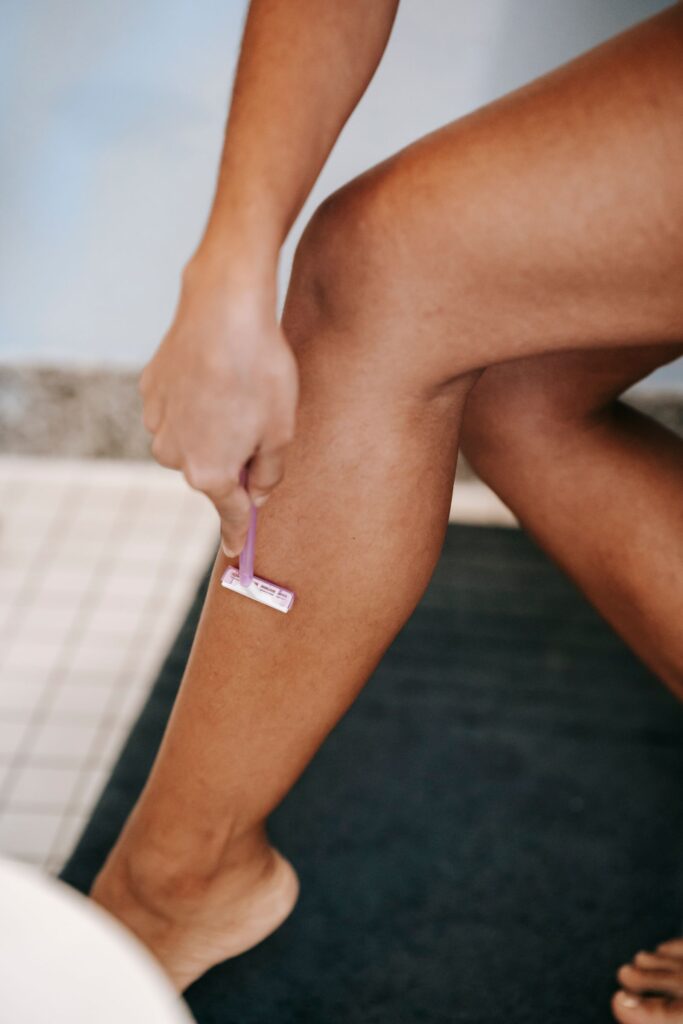
Anyone who shaves can get razor bumps, but the risk is not evenly spread.
Curly, coarse hair is the biggest factor. A curly hair is already growing on a curve, so a freshly sharpened tip is pointed back toward the skin before it has grown a millimetre.
DermNet puts prevalence among people of African ancestry at 45 to 80 percent, largely because tightly curled hair makes the whole mechanism far more likely.
It affects men of every background, and women too, most commonly in the bikini and groin area where hair is coarse and curly and clothing rubs.
There is also a genetic component involving a variation in hair follicle keratin, so some people are simply more prone regardless of technique.
Razor bumps vs ingrown hairs vs razor burn
These get used interchangeably and they are three different things.
| What it is | Looks like | Timing | |
|---|---|---|---|
| Razor burn | Surface irritation from the blade | Diffuse redness, stinging | Immediately after shaving |
| Ingrown hair | One hair trapped under the skin | A single bump, sometimes with a visible loop of hair | Days later |
| Razor bumps | Inflammatory reaction to many hairs re-entering skin | Clusters of small firm bumps | 1 to 3 days after shaving, recurring |
Razor burn fades on its own. An ingrown hair usually resolves once the hair works free. Razor bumps keep coming back, because the cause keeps coming back every time you shave.
How to prevent razor bumps when you shave
If you are going to keep shaving, technique is where the wins are. DermNet’s guidance is specific.
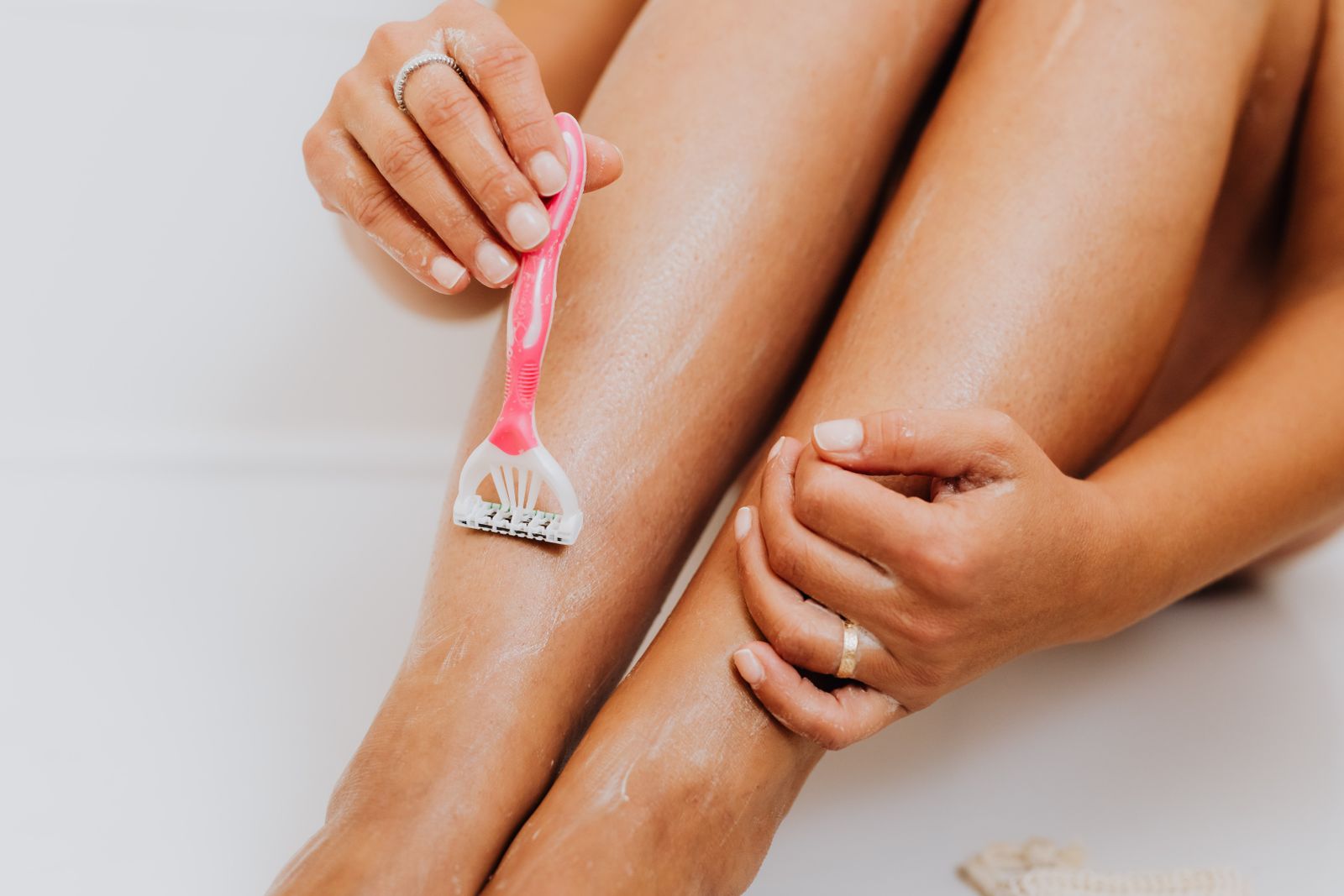
- Shave in the direction the hair grows, not against it. Against the grain gives a closer shave and a sharper, more angled tip, which is precisely the shape that causes razor bumps.
- Leave about a millimetre of stubble. A hair cut level with the skin is far more likely to end up under it. Slightly less smooth is the trade.
- Use a sharp blade and short strokes. A dull blade drags and tugs rather than cutting cleanly.
- Do not stretch the skin taut. Pulling the skin lets you cut below the surface, so the hair is already retracted when you let go.
- Shave less often. Every shave restarts the cycle. Giving skin recovery days genuinely helps.
- Soften first. Warm water and a proper shaving gel for a minute or two before the blade touches anything.
An electric shaver is also worth trying. It cuts slightly above the skin rather than level with it, which is exactly the point.
If shaving is causing you enough trouble to be reading this, it is worth comparing it against the alternatives properly in IPL vs shaving.
How to get rid of razor bumps you already have
The first and most effective step is to stop shaving that area for a while. Not forever, just long enough for the trapped hairs to grow out and the inflammation to settle.
That is genuinely the hard part, because it means visible regrowth for a week or two. It also works better than anything else on this list.
Alongside that:
- Warm compress to soften the skin and encourage trapped hairs out.
- Gentle exfoliation a few times a week once the area is not actively inflamed. Gentle is doing real work in that sentence.
- Do not dig hairs out with tweezers or a needle. That adds trauma, risks infection, and is how a bump becomes a scar.
- Moisturise with something plain and fragrance free.
DermNet also lists topical options a doctor may recommend, including steroid creams for inflammation, antimicrobials such as clindamycin, benzoyl peroxide, and tretinoin. Those are worth asking about if razor bumps are persistent.
How long do they take to go away?
Assuming you stop shaving the area and leave it alone, here is the realistic timeline.
| Time | What is happening |
|---|---|
| Days 1 to 3 | Inflammation peaks. Bumps are firm, red or darker than surrounding skin, sometimes sore. |
| Days 3 to 7 | Trapped hairs work their way free. Soreness settles first, the bumps lag behind. |
| Week 2 | Most bumps have flattened. Skin may still look uneven. |
| Weeks 2 to 8 | Any dark marks left behind fade gradually. This is the slowest part. |
Those post-inflammatory dark marks are what frustrate people most, because the bump is long gone and the discolouration is still there. They do fade, but it is measured in weeks to months rather than days.
Sun exposure makes those marks last longer, so sunscreen on the area genuinely helps them clear faster.
If you shave again mid-way through that timeline, you restart it. That is the whole reason the cycle feels endless.
What makes razor bumps worse
A short list of well intentioned mistakes.
- Shaving over active bumps. Understandable, and it makes everything worse.
- Scrubbing hard. Aggressive exfoliation on inflamed skin adds irritation on top of inflammation.
- Picking or tweezing. The fastest route from a temporary bump to a permanent mark.
- Alcohol heavy aftershave. It stings because it is drying already irritated skin.
- Tight clothing over a freshly shaved bikini line. Friction keeps the inflammation going.
The permanent fix for razor bumps
Remove the hair, and there is nothing left to grow back in. This is the only approach that addresses the cause rather than managing the symptom.
Every other remedy on this page is damage control on a problem your next shave will recreate. Fewer hairs, growing more finely, means fewer chances for one to go the wrong way.
Which method depends on your skin and hair, and this matters more than usual here.
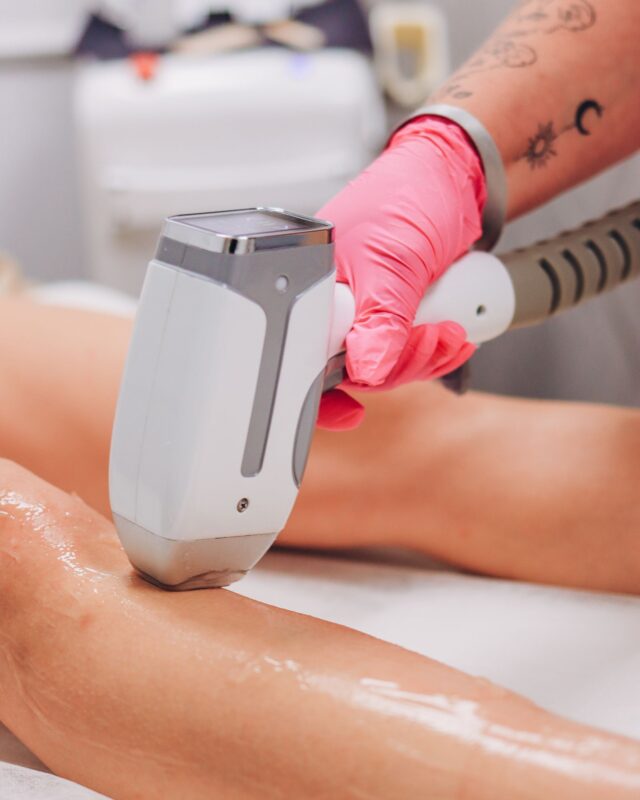
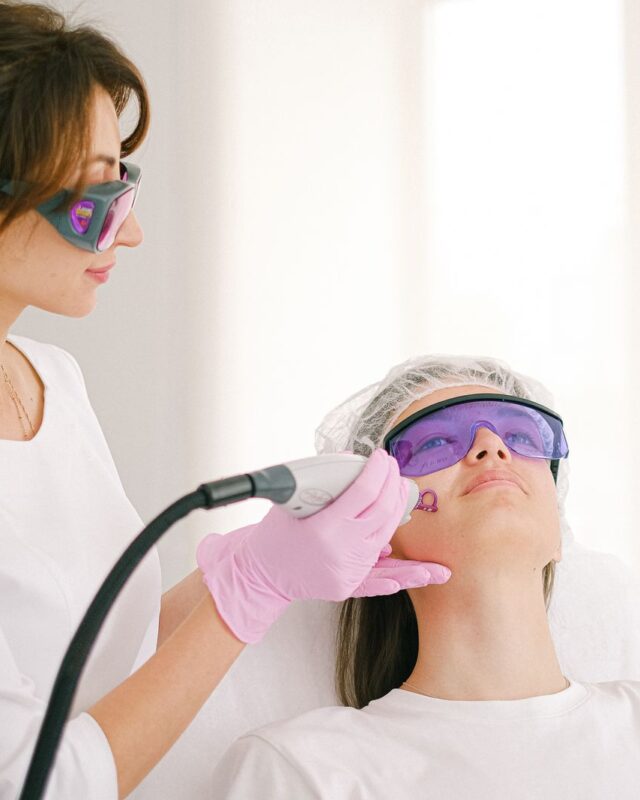
If your skin tone is deeper, which describes a large share of people affected by razor bumps, DermNet specifically points to Nd:YAG laser epilation. That is a clinic treatment, not a home device. Nd:YAG uses a longer wavelength that is absorbed less by pigment in the skin, making it the safer option on deeper tones.
We should be straightforward about what that means. Most home IPL devices, including ours, are not suitable at the deepest skin tones. If that is you, a clinic offering Nd:YAG is the right answer and we would rather say so than sell you something that cannot work safely.
If you have dark hair on light to medium skin, home IPL is a genuine option. It reduces how much hair grows back over a course of sessions, which reduces the raw material razor bumps need.
Check will IPL work on my skin tone and hair colour? before buying anything. If it does suit you, our IPL Laser Hair Removal Handset comes with a 90-day money-back guarantee.
For grey, white or red hair, neither IPL nor laser will work. Electrolysis is the option there, covered in electrolysis vs laser vs IPL.
When to see a doctor about razor bumps
Most razor bumps settle with better technique and a break from shaving. See a doctor if you have:
- Bumps that are spreading, very painful, or filled with pus
- Dark marks or raised scars forming where bumps have healed
- Razor bumps that persist despite months of careful shaving
- Any sign of infection, such as warmth, swelling or streaking
Persistent pseudofolliculitis barbae is a recognised medical condition with real prescription treatments. It is worth a GP or dermatologist appointment rather than another year of guessing.
Frequently asked questions
How do I get rid of razor bumps fast?
Stop shaving the area, apply a warm compress, and leave it alone. Trapped hairs need to grow out before the inflammation settles, which usually takes several days to a couple of weeks. There is no genuine overnight fix.
Should I shave with or against the grain to avoid razor bumps?
With the grain. Shaving against it cuts closer and leaves a sharper, more angled tip, which is exactly the shape that pierces skin. Leave around a millimetre of stubble too.
Are razor bumps the same as ingrown hairs?
Related but not identical. An ingrown hair is a single trapped hair. Razor bumps are the inflammatory reaction when this happens repeatedly across an area, and they recur with every shave.
Why do I get razor bumps on my bikini line?
Because the hair there is coarse and curly, and clothing creates constant friction. Both make it far more likely a shaved hair re-enters the skin. It is the most common area for razor bumps in women.
Does exfoliating prevent razor bumps?
It helps but does not solve it. Exfoliating clears the way for hairs to grow out, but the next shave creates the same sharp tips again. It manages the symptom rather than the cause.
Can laser or IPL cure razor bumps?
Removing the hair addresses the cause, so it is the closest thing to a permanent fix. For deeper skin tones, Nd:YAG laser at a clinic is the recommended route. Home IPL suits dark hair on light to medium skin only.
Should I use a single blade or multi blade razor?
Single blade razors are generally kinder if you are prone to razor bumps, because multi blade designs lift and cut the hair below skin level, which is what leaves it retracted.
Do razor bumps leave scars?
They can, especially if picked or tweezed, and dark marks are common on deeper skin. Avoid digging hairs out, and see a doctor if you notice raised scarring or persistent pigmentation.