Short answer: There is no single best bikini line hair removal method, only the best one for your skin, hair and budget. Trimming and shaving are cheap and quick but short-lived, waxing lasts a few weeks but hurts and carries medication warnings, and laser or electrolysis are the options that can last for good. If you get razor burn or ingrown hairs every time, that alone is a strong reason to move away from the razor.
Bikini line hair removal means getting rid of the hair around the edges of your underwear or swimsuit, or all of your pubic hair, using anything from a trimmer to a laser.
This guide is for anyone choosing how to remove pubic hair, whether you are tired of razor bumps, nervous about your first wax, or wondering if permanent bikini hair removal is worth it.
It compares eight bikini line hair removal methods side by side: trimming, shaving, hair removal cream, waxing, epilating, laser, at-home IPL and electrolysis. For each one you will see how long it lasts, what can go wrong, and who it suits.
The short verdict: trim if you only want it tidy, shave or use cream if you want smooth skin for a day or two, wax if you can handle a few weeks of regrowth and a bit of pain, and look at laser, IPL or electrolysis if you are done doing this forever.
Why is bikini hair removal harder than other areas?
Bikini hair removal is harder because the hair is coarser and curlier and the skin is more delicate, so it reacts more to every method. What works fine on your legs can leave the bikini line sore and bumpy.
The Cleveland Clinic explains that pubic hair tends to be coarser and curlier than other body hair, which makes it more likely to curve back into the skin as an ingrown hair. It adds that shaving, waxing or plucking the area can all cause them.
It is also a tricky place to work on. The American Academy of Dermatology says 1 in 4 people have injured themselves while grooming their pubic hair.
That is why the method matters more here than anywhere else on your body. The right choice is the one your skin tolerates, not the one that sounds most impressive.
How much hair do you want to remove?
Decide how much hair you want gone first, because a tidy bikini line and a fully bare Brazilian need different methods. The more you remove, the more sensitive skin you are treating.
The Cleveland Clinic describes a bikini wax as removing hair along the edge of your bikini line, along your thigh and below your navel. A Brazilian wax removes all pubic hair, front to back.
Most of the methods below can do either, but the risks climb as you go further in. Trimming, for example, is perfect for a neat edge, while laser and electrolysis make most sense if you want the same area bare for years.
Bikini line hair removal methods compared
Here is how the eight main bikini line hair removal methods compare on how long results last, their main downside and who they suit best. Each has its own section below with the details.
| Method | How long it lasts | Main downside | Best for |
|---|---|---|---|
| Trimming | Hair stays short, never smooth | Not bare skin | A neat, low-risk tidy up |
| Shaving | 1 to 3 days | Razor burn, cuts, ingrown hairs | Occasional, last-minute smoothness |
| Hair removal cream | A little longer than shaving | Can irritate or burn skin | Smooth skin without a blade |
| Waxing | 2 to 4 weeks | Pain, ingrown hairs, medication warnings | Longer smoothness if you tolerate pain |
| Epilating | Pulls hair from the root, like waxing | Pain, folliculitis, ingrown hairs | At-home root removal on small areas |
| Laser | Permanent after 6 or more treatments | Cost, burns in inexperienced hands | Dark hair, lasting results |
| At-home IPL | Permanent hair reduction over a course | Suits only some skin and hair colours | Dark hair on light to medium skin |
| Electrolysis | Permanent | Slow, stinging, needs a skilled operator | Any hair colour, including grey and blonde |
Durations come from the Cleveland Clinic, DermNet and the American Academy of Dermatology, quoted in each section below.
What are the temporary ways to remove pubic hair?
The temporary ways to remove pubic hair are trimming, shaving, hair removal cream, waxing and epilating, and they all need repeating as the hair grows back. The difference is whether they cut hair at the surface or pull it from the root.
Trimming
Trimming is the lowest-risk option, because it shortens hair without cutting close to the skin. It will not leave you smooth, but it will not leave you with razor burn either.
The AAD suggests standing while you trim so you can see what you are doing, and trimming your own pubic hair rather than letting someone else do it.
Trimming is also a sensible first step before any other method. Long hair clogs razors, and wax needs hair of a certain length rather than a full bush.
Shaving
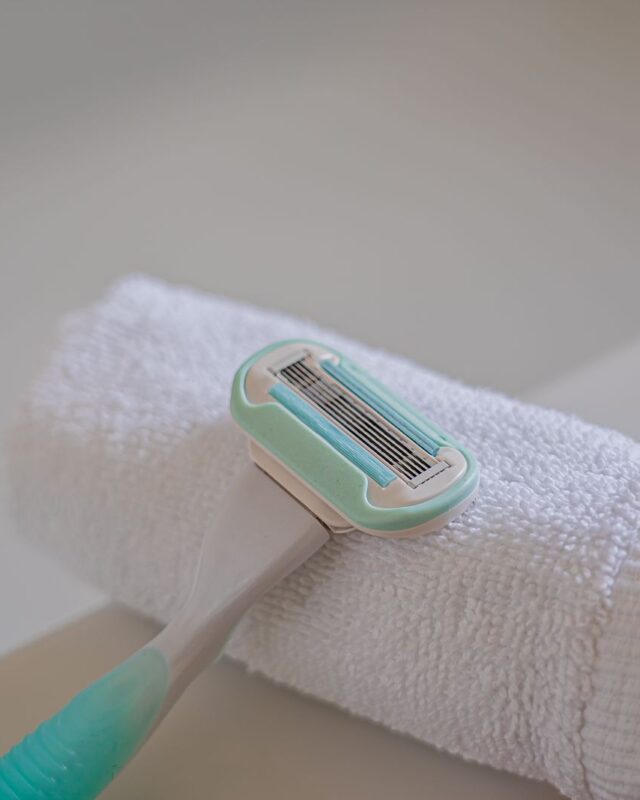
Shaving is quick, cheap and painless when it goes well, but it lasts only a day or two and commonly leads to razor burn and ingrown hairs. It is the one most people start with and most people complain about.
The Cleveland Clinic says shaving results typically last one to three days before hair starts to grow back.
The American Academy of Dermatology notes that frequent shaving can irritate the skin, that cuts, nicks and razor burn happen, and that some people who shave develop ingrown hairs.
If you stick with the razor, gaps between shaves matter a lot here. Our guide on how often you should shave covers the bikini line, and razor burn on the bikini area covers what to do when it goes wrong.
Hair removal cream
Hair removal cream dissolves hair at the surface without a blade, and it lasts a little longer than shaving, but it can irritate delicate skin. Testing it first is not optional.
The AAD says depilatory results tend to last longer than when you shave, and that these products can irritate your skin. Its advice is to always test first on a small area, follow the timing on the label, and rinse it off straight away if it burns or stings.
For the bikini line, choose a cream made for that area and keep it to the outer skin. The NHS lists hair removal cream as one of the alternatives to try if shaving gives you ingrown hairs.
Waxing
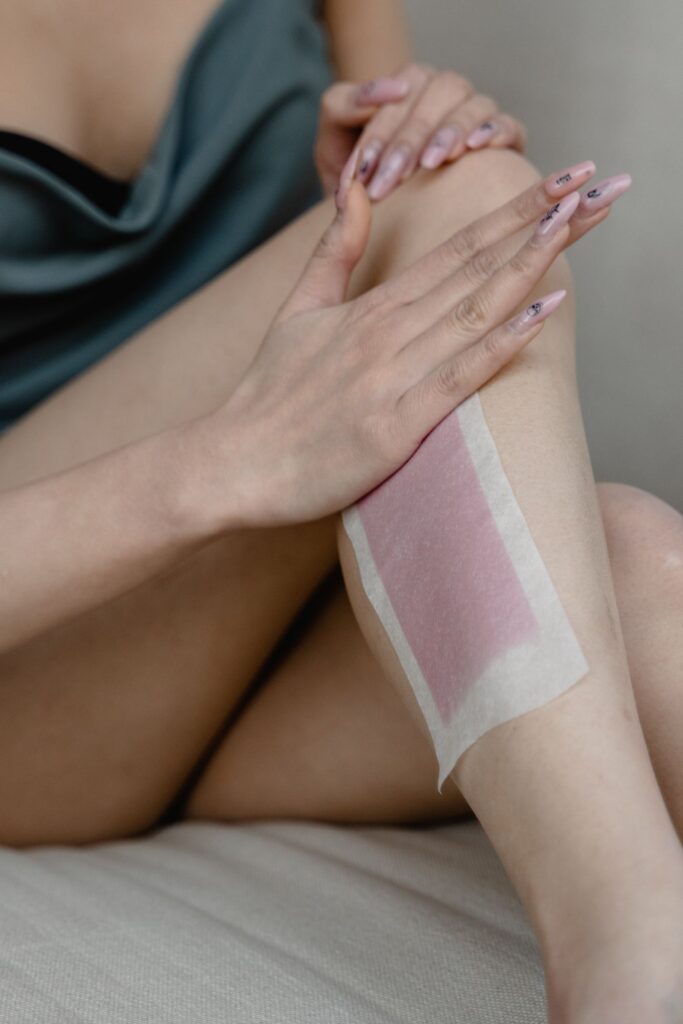
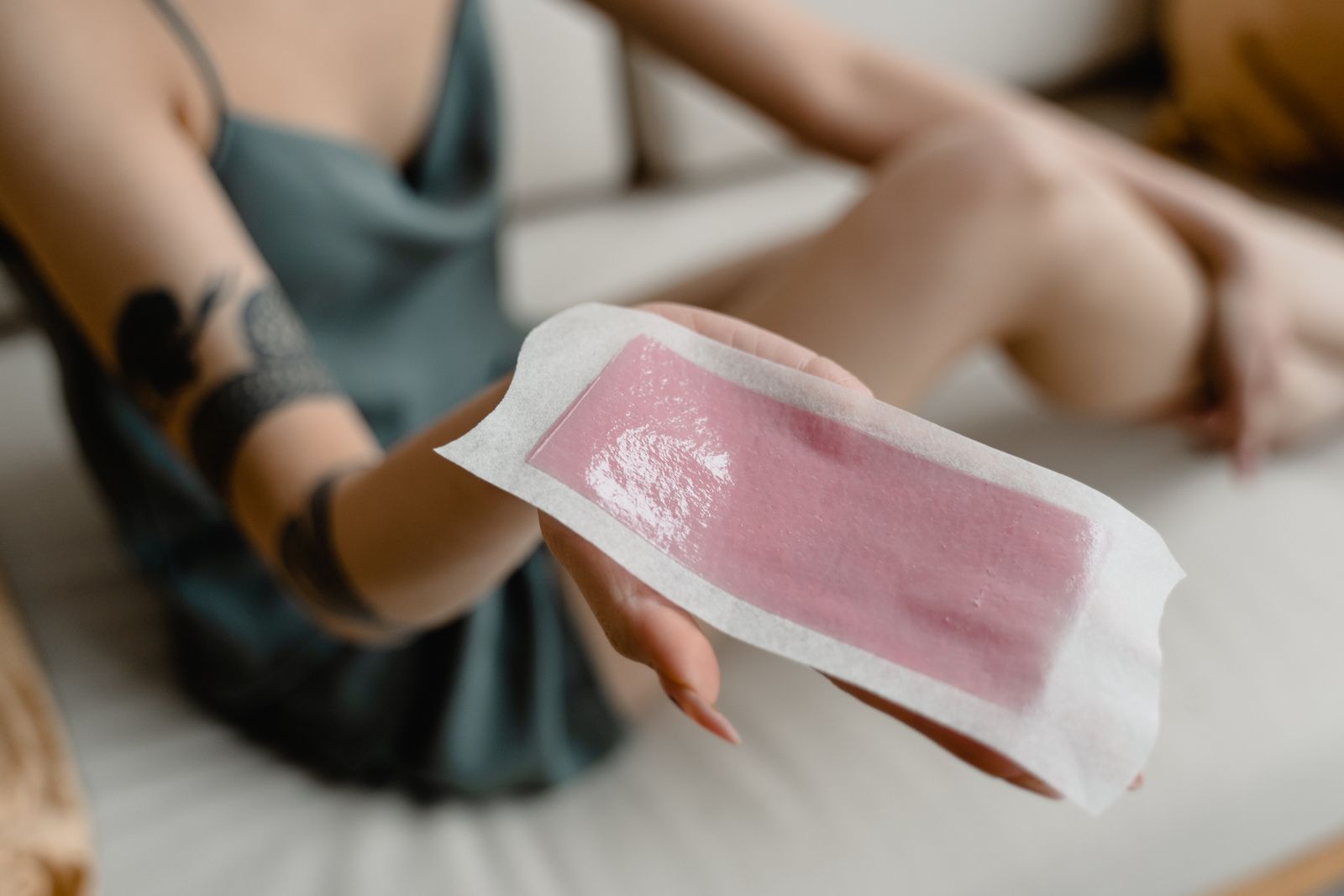
Waxing pulls hair out from the root, so results last a few weeks, but it hurts, and some medicines make it unsafe. It is the classic salon bikini line hair removal method for a reason.
The Cleveland Clinic says one waxing session can create results that last three to four weeks. DermNet puts regrowth at two to three weeks, and lists the bikini line among the areas waxing is used on.
For a bikini or Brazilian wax, the Cleveland Clinic says hair should be between a quarter and three quarters of an inch long. It also says the first time is usually the worst for pain.
DermNet lists the possible side effects as pain, folliculitis, scarring, darkening of the skin, ingrown hairs, and an allergic reaction to rosin in the wax.
Check your medicines before you book. The AAD advises against waxing if you take isotretinoin, antibiotics or tretinoin. DermNet says oral retinoids such as isotretinoin should have been stopped for at least 6 months to a year, and topical retinoids for 3 to 4 weeks, because waxing can injure the skin.
If you go to a salon, the AAD recommends one that never double dips, meaning each dip into the wax pot uses a fresh wooden stick.
Epilating
Epilating uses an electric device with tiny tweezers that pull hairs out from the root, so it works like waxing you can do at home. Pain is one of its listed side effects, so go slowly on sensitive skin.
DermNet describes plucking, including electrical tweezers, as the most effective method for temporarily removing hair. It lists pain, folliculitis, scarring, darkening of the skin and ingrown hairs as side effects.
On the bikini line, an epilator is easier to manage on a neat edge than on a full Brazilian. Our guide to what an epilator is explains how they work.
What is the best permanent bikini hair removal?
The only methods that can give permanent bikini hair removal are laser and electrolysis, while at-home IPL gives permanent hair reduction rather than total removal. All three take time and money up front instead of every few days.
DermNet says electrolysis and laser are the only hair removal methods that may provide a permanent result. Which one suits you depends mostly on your hair colour and skin tone.
Laser hair removal
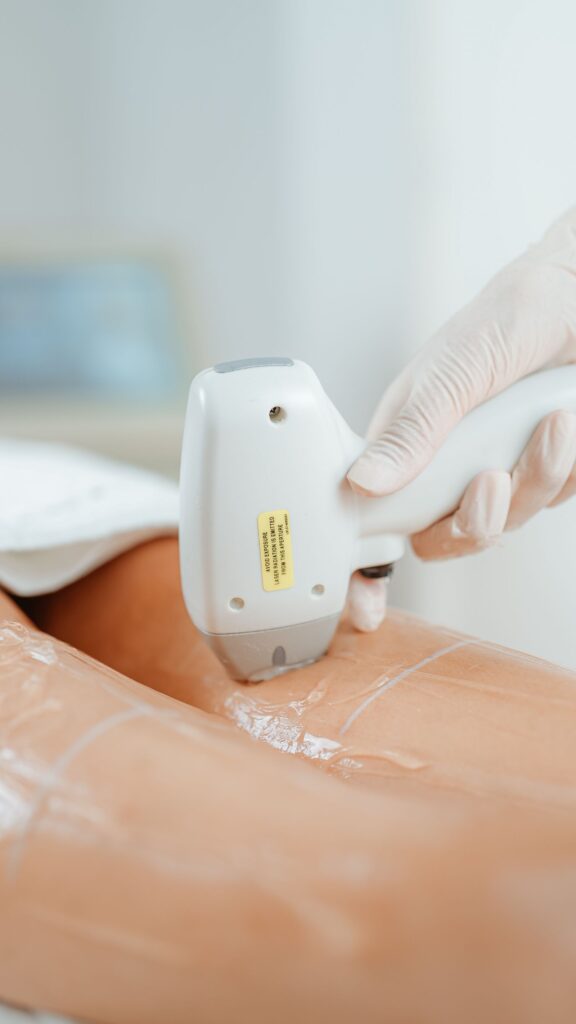
Laser hair removal can be permanent after six or more treatments, but it only works on dark hair and needs an experienced practitioner. It is the clinic option most people mean by permanent bikini hair removal.
The AAD says that after 6 or more treatments to an area, laser hair removal is permanent, except on a woman’s face. It also says laser won’t work on blonde, white, grey or red hair.
Skin tone matters for safety rather than ruling people out. The AAD says people of all skin tones can safely have laser hair removal, but the person treating you should have experience with your skin tone.
Possible injuries include burns, blisters, infection and dark spots, according to the AAD, which is why it recommends an experienced doctor. For what it costs, see IPL cost vs laser clinics, and for how the two technologies differ, IPL vs laser hair removal.
At-home IPL
At-home IPL uses flashes of light to reduce how much hair grows back over a course of treatments, giving permanent hair reduction rather than guaranteed total removal. It is the at-home route to long-term results, for the right person.
Like laser, it needs contrast: it works on dark hair on light to medium skin. Our guide to whether IPL is permanent explains exactly what “permanent hair reduction” does and does not mean.
Dark hair on light to medium skin is where our IPL Laser Hair Removal Handset works, reducing regrowth over a course of sessions. Use any home device only on the areas its instructions say it is designed for.
Deeper skin tones are not suited to most home IPL devices, ours included, and a clinic with Nd:YAG laser experience is the safer route. Check which skin tones and hair colours IPL works on before buying anything.
Electrolysis
Electrolysis destroys each hair follicle one at a time with a fine needle and a small electric current, and it is permanent on any hair colour. It is the answer for grey, white, blonde or red pubic hair that laser and IPL cannot see.
The AAD says electrolysis can permanently remove unwanted hair, works on all hair types including light-coloured hairs, and needs no maintenance treatments once the hair is gone.
The trade-off is time and care. DermNet calls it a very slow method, noting that it may take a minute or more per hair with galvanic electrolysis, and lists scarring and brown or white marks among the risks.
The AAD warns that unsterile probes can cause skin or blood infections, and that people with darker skin tones can develop raised keloid scars. It recommends a board-certified dermatologist or board-certified electrologist. Our electrolysis vs laser vs IPL comparison goes deeper.
Which bikini hair removal method is best for you?
The best way to remove pubic hair depends on how smooth you want to be, how long you want it to last, your hair colour and how your skin reacts. Match yourself to the line that fits best.
- You just want it tidy: trimming. No blade on the skin, and almost nothing can go wrong.
- You want smooth skin now, occasionally: shaving or hair removal cream, with a patch test for the cream.
- You want smooth skin for weeks and do not mind pain: waxing at a salon, as long as your medicines allow it.
- You get razor burn or ingrown hairs every time: stop shaving so often, and look at longer-term options. Our guides to treating ingrown hairs and preventing razor bumps help in the meantime.
- You have dark hair on light to medium skin and want it over with: at-home IPL or clinic laser.
- You have deeper skin: a clinic experienced with your skin tone, usually Nd:YAG laser.
- Your pubic hair is grey, white, blonde or red: electrolysis, because light-based methods will not work.
Who should avoid certain bikini line hair removal methods?
Anyone on retinoid medicines, with sunburned, broken or eczema-prone skin, or with very sensitive skin should avoid waxing, and everyone should avoid treating skin that is already irritated. These are the warnings that change the choice.
- Taking isotretinoin or other retinoids: avoid waxing. The Cleveland Clinic warns that waxing while taking isotretinoin can cause permanent scars, and DermNet gives the stopping times above.
- Taking antibiotics or tretinoin: the AAD advises against waxing.
- Sunburned or very sensitive skin, or eczema: the Cleveland Clinic says to avoid waxing.
- Irritated, sunburned or broken skin: DermNet says not to wax it, and the same common sense applies to shaving and creams.
- Light-coloured hair: laser and IPL will not work, so electrolysis is the permanent option.
- Prone to folliculitis: DermNet says folliculitis often appears as hairs regrow after shaving, waxing, electrolysis or plucking, so spacing sessions out matters.
How do you look after your skin before and after bikini line hair removal?
Look after your skin by removing hair only from calm, unbroken skin, keeping products and tools clean, and giving the area a day or two of gentle treatment afterwards. Simple habits prevent most problems.
- Don’t share tools or products. The AAD advises buying your own hair removal products and not sharing them, because tiny tears in the skin can spread infection.
- Use a clean razor and go carefully. The AAD recommends it for anyone shaving pubic hair.
- Moisturise afterwards. The AAD suggests a fragrance-free moisturiser after shaving to reduce dryness and irritation.
- After waxing, keep it cool and loose. The Cleveland Clinic advises avoiding hot baths, saunas and tight clothing for 24 to 48 hours.
- After laser, stay covered. The AAD says to keep treated skin covered and out of the sun until it heals. Our IPL aftercare guide covers home devices.
If you get itchy a day or two after any method, our guide on how to stop itching after shaving helps work out the cause.
Frequently asked questions
What is the least painful way to remove pubic hair?
Trimming, because nothing touches the skin closely. Shaving and hair removal cream are usually painless too when they go well, while waxing, epilating and electrolysis all involve some pain.
How long does a bikini wax last?
About two to four weeks. The Cleveland Clinic says three to four weeks, and DermNet says hair may take two to three weeks to regrow.
Is it better to shave or wax your bikini line?
Waxing lasts weeks rather than days, but it hurts and has medication warnings. Shaving is painless and cheap but needs repeating often and is more likely to cause razor burn. If shaving leaves you bumpy every time, waxing or a long-term method may suit you better.
Can you use hair removal cream on your bikini line?
Yes, on the outer skin, with a product made for the area. The AAD says to always test first and rinse it off if it burns or stings.
Is laser hair removal on the bikini line permanent?
It can be. The AAD says laser hair removal is permanent after six or more treatments to an area, except on a woman’s face, but it will not work on blonde, white, grey or red hair.
Does waxing make pubic hair grow back thinner?
The evidence is limited. Our post on whether shaving makes hair grow back thicker covers what the evidence says about shaving and waxing regrowth.
What works for grey pubic hair?
Electrolysis. The AAD says it works on all hair types, including light-coloured hairs that lasers cannot remove.
Can I use at-home IPL on my bikini line?
It depends on your hair, skin and device. IPL suits dark hair on light to medium skin, and you should use any home device only on the areas its instructions list.
Final thoughts
Bikini line hair removal comes down to a trade between how long results last and how much your skin puts up with. There is no universal winner.
If you want it tidy with no risk, trim.
If you want smooth skin for a day or two, shave carefully or patch test a cream made for the area.
If you want weeks of smoothness, wax at a clean salon, and check your medicines first.
If you are done repeating it forever, choose by colour. For dark hair on light to medium skin, our IPL handset is the at-home route; for deeper skin tones, a clinic Nd:YAG laser; and for grey, white, blonde or red hair, electrolysis.