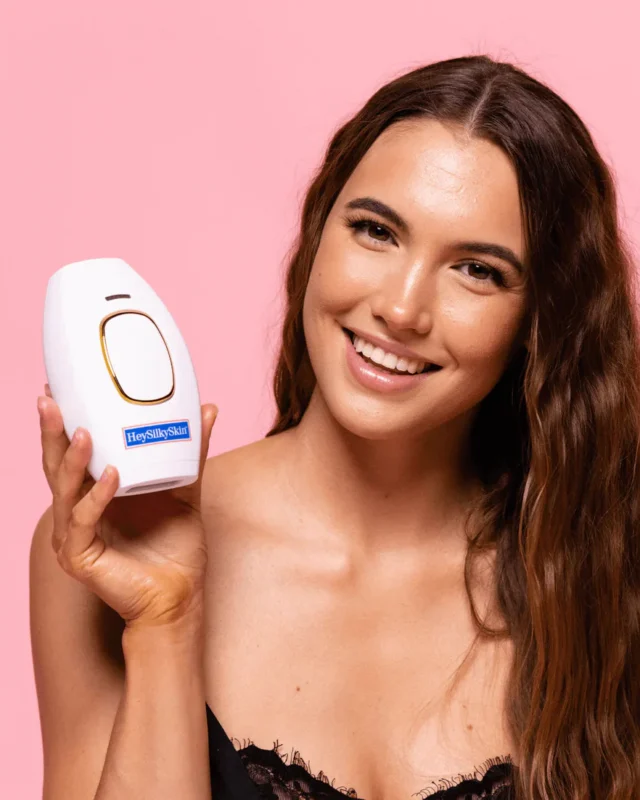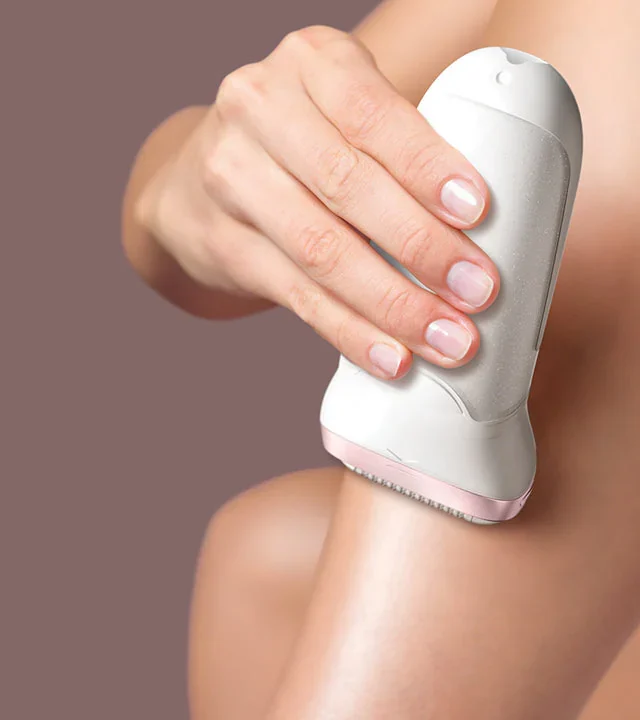
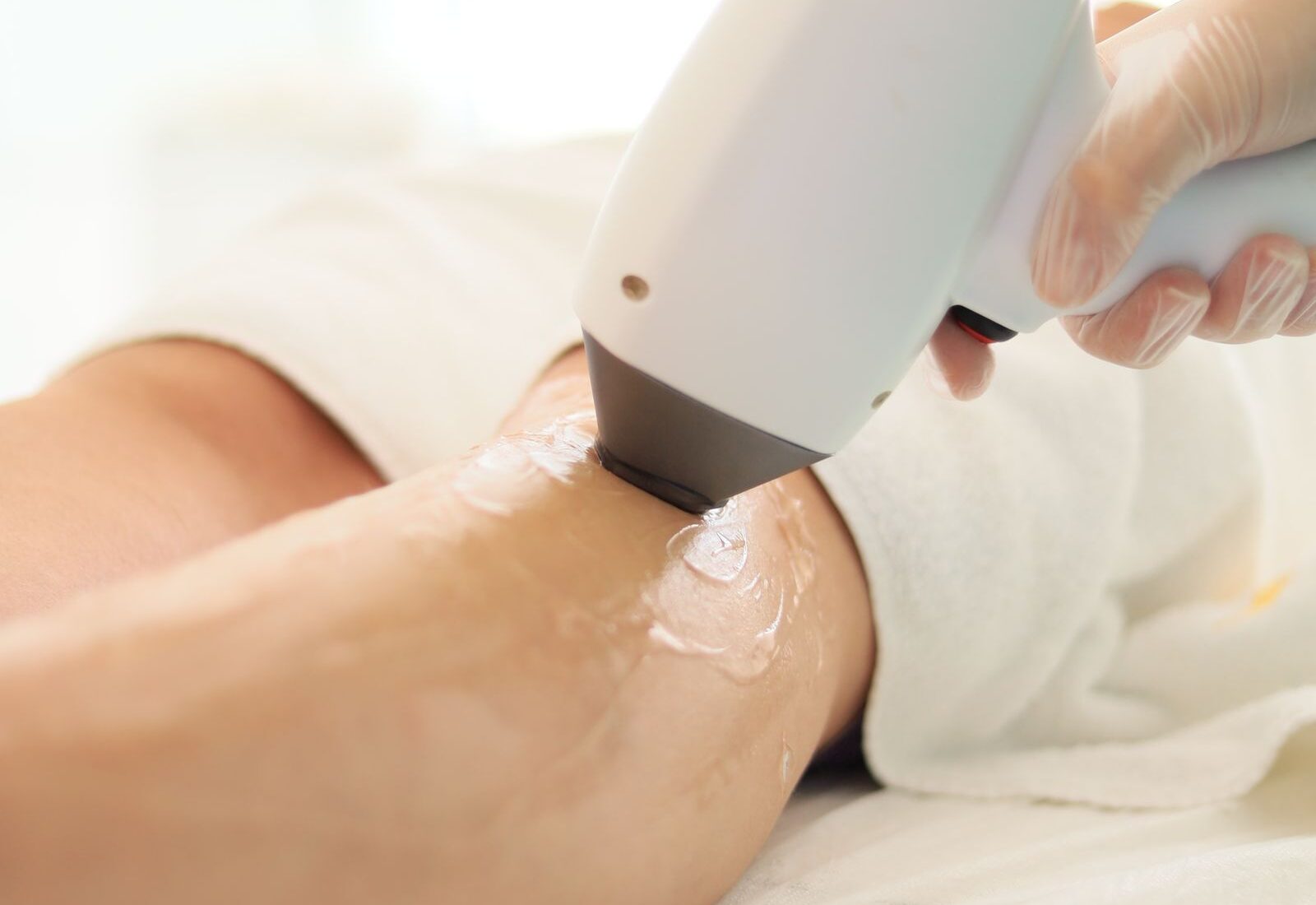
Short answer: Yes, at-home IPL works. In the best research we have, it cut hair regrowth by roughly 27% to 53%. That is a big drop, but it is not the same as never seeing hair again.
At-home IPL has a reputation problem. Half the internet says it changed their life, and the other half says it did nothing.
Both groups are telling the truth. They just had different hair.
Here is what at-home IPL really does, who it works for, and who should save their money.
What is at-home IPL, and how does it work?
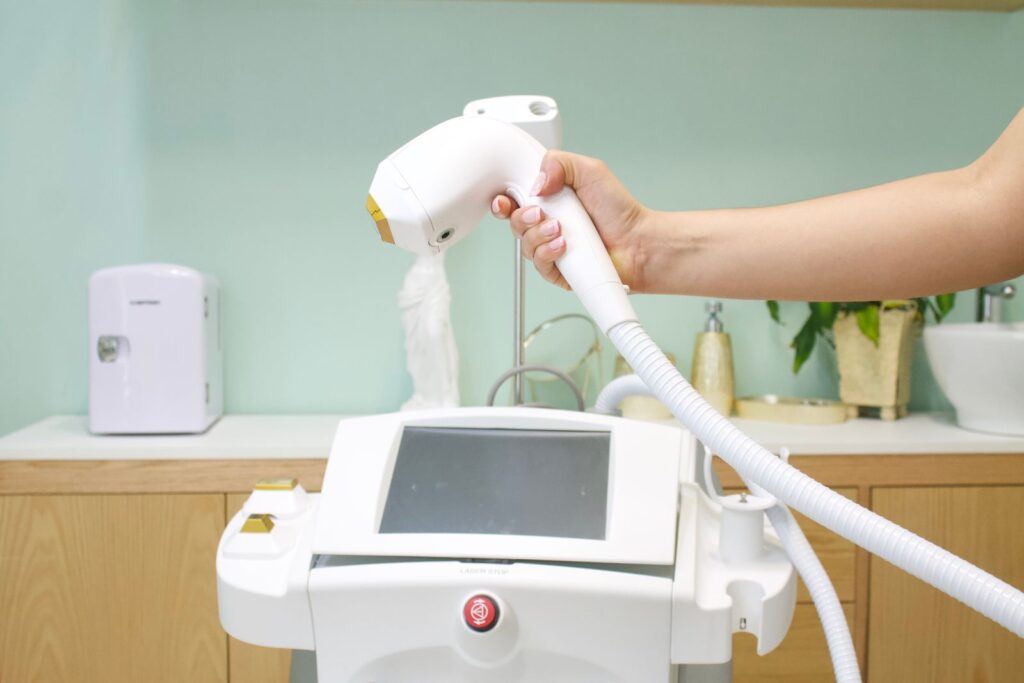
IPL stands for intense pulsed light. Your handset fires a bright flash of light into your skin.
That light gets soaked up by the dark colour in your hair, called melanin. The light turns into heat, travels down the hair, and damages the little factory at the root that grows new hair.
Think of it like a tiny, very polite sunburn for your hair follicle. The follicle gets discouraged and slows down.
Two things follow from that, and they explain basically everything about at-home IPL.
One: it needs dark hair. No dark colour means nothing to soak up the light. The flash just bounces off and you have achieved nothing but a warm sensation.
Two: it only works on hair that is growing right now. Your hair takes turns. Some is growing, some is resting, and the resting ones are basically invisible to the device.
So you are never treating all your leg hair at once. You are treating whichever hairs turned up to work that week.
That is why one session does nothing, and why people who quit early think at-home IPL is a scam.
Does at-home IPL actually work? Here are the real numbers
The best answer comes from a 2022 review in the Journal of Cosmetic and Laser Therapy. Researchers pooled proper clinical trials and followed people for a full hair growth cycle.
They found IPL reduced hair by 27% to 53% long term.
| Device | Long-term hair reduction |
|---|---|
| Alexandrite laser | 35% to 84% |
| Nd:YAG laser | 30% to 74% |
| Diode laser | 33% to 69% |
| IPL | 27% to 53% |
Source: Krasniqi A, McClurg DP, Gillespie KJ, Rajpara S. Efficacy of lasers and light sources in long-term hair reduction: a systematic review. Journal of Cosmetic and Laser Therapy, 2022.
Now for two honest caveats, which most articles quietly skip.
The research pile is small. That review only found five good trials covering 223 people in total. That is a small village, not a stadium.
Those trials used salon machines. Home devices are gentler on purpose, so your results will likely be slower and a bit lower. Treat those numbers as the ceiling, not the promise.
Which body areas does at-home IPL work best on?
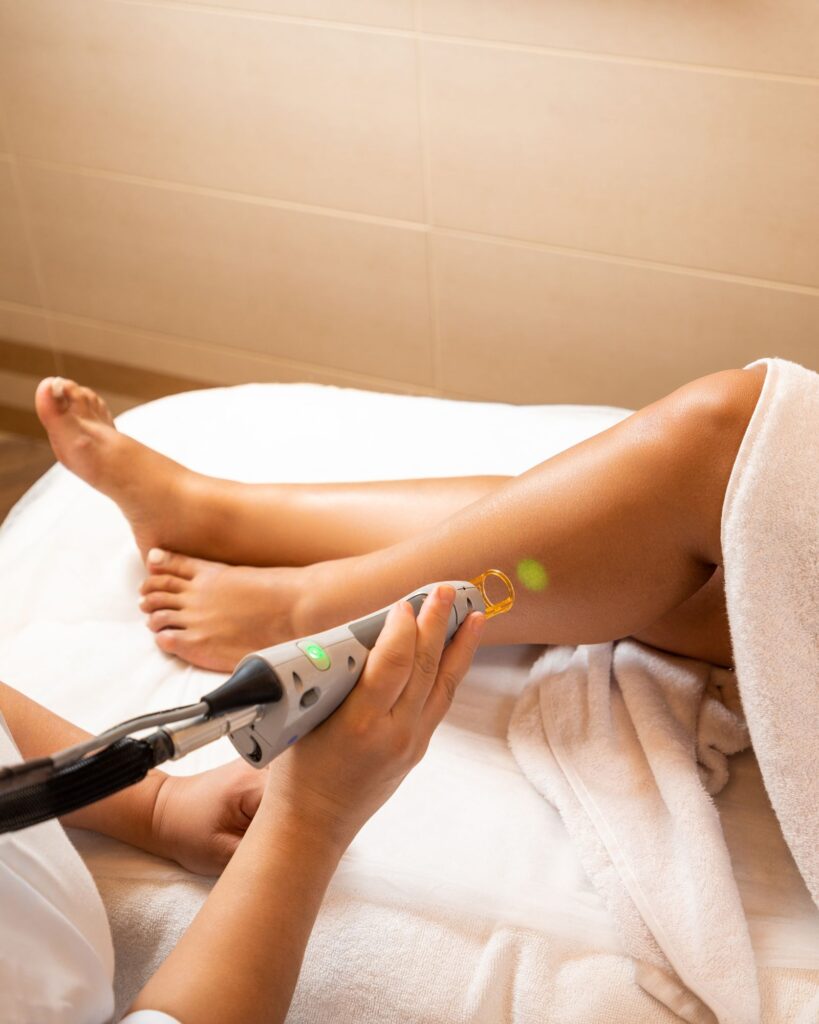
Legs win. Faces lose. The same review found leg hair responded best and facial hair responded worst.
Here is the quick tour:
- Legs. The champion. Also the biggest area, so you notice the time you save most here.
- Underarms. Small, quick, and usually very responsive. A crowd favourite.
- Bikini line. Coarse dark hair, which at-home IPL likes. Also where people notice fewer ingrown hairs first.
- Face. The stubborn one. Facial hair is often driven by hormones, and hormones do not care about your handset.
- Arms. Responds fine. Most people just do not mind their arm hair enough to bother.
Never use at-home IPL near your eyes or eyebrows. Your eyes are not fans of bright flashes at close range.
How long does at-home IPL take to work?
Expect three or four sessions before you see anything, and eight to twelve weeks for the full effect.
Because at-home IPL only catches the hairs currently growing, results arrive in waves rather than all at once.
- Weeks 1 to 3. Nothing. Absolutely nothing. This is normal and not a fault.
- Weeks 3 to 4. Treated hairs start falling out. Confusingly, this looks like growth as they push their way out.
- Weeks 4 to 8. Patchy regrowth. Longer gaps between shaves. This is the fun part.
- Weeks 8 to 12. The clearest results. Less hair, finer hair, slower hair.
- After that. Occasional top-ups, because some follicles are stubborn and come back.
Looking after the treated area properly between sessions matters here too, which we cover in IPL aftercare.
The golden rule: judge at-home IPL at week ten, not week two. Quitting early is the single most common reason people decide it does not work.
Is at-home IPL permanent?
No, and no device is allowed to claim it is.
Regulators separate two phrases. “Permanent hair removal” means gone forever. “Permanent hair reduction” means measurably less hair that stays less.
Light-based devices, including every at-home IPL handset, are only cleared for the second one. Reduction is measured 6, 9 and 12 months after you finish a course.
So the honest version is this. At-home IPL turns hair removal from a constant chore into an occasional one.
Top-ups are part of the deal, not a sign something went wrong. Anyone promising you permanent removal from a home gadget is selling you a story.
Who should not use at-home IPL?
If your hair is grey, white, red or very light blonde, at-home IPL will not work for you. Sorry. There is no dark colour for the light to grab.
This is physics, not marketing. No handset at any price fixes it, and switching brands will not help.
If your skin is very deep in tone, at-home IPL is not safe for you. Your skin would soak up the light meant for the hair, and that means burns rather than results.
Check the skin tone chart that comes with any device. It is a safety limit, not a suggestion. If you are near the edge of it, see a professional instead of guessing.
A few other times to be careful with at-home IPL:
- Fresh tan or fake tan. Both temporarily darken your skin and raise the risk. Wait it out.
- Tattoos and dark moles. Do not flash them. Concentrated colour plus heat is a bad combination.
- Medication that makes you sun-sensitive. Ask your doctor first.
- Pregnancy. Most makers advise waiting, mainly because nobody has studied it properly.
- Hormone-driven growth, like PCOS. At-home IPL often still helps, but the hormones keep sending new hair, so expect to keep topping up.
Why are my at-home IPL results disappointing?
Usually it is technique, not the device. Work through this list before giving up.
- Your setting is too low. The energy is what does the work. Staying on level one forever is comfortable and useless. Sensitive spots need low settings. Your shins do not.
- You are missing bits. This is why some people end up with racing stripes. Go slowly and overlap slightly.
- You keep skipping weeks. The schedule exists to catch hairs as they wake up. Skip a fortnight and you miss a whole shift.
- You waxed or plucked. Both yank out the root, which is the exact thing the light needs to travel down. One wax undoes weeks of progress.
- Your hair is too light. If everything above is right and nothing has changed after a full course, this is almost certainly why.
At-home IPL vs a clinic: what is the difference?
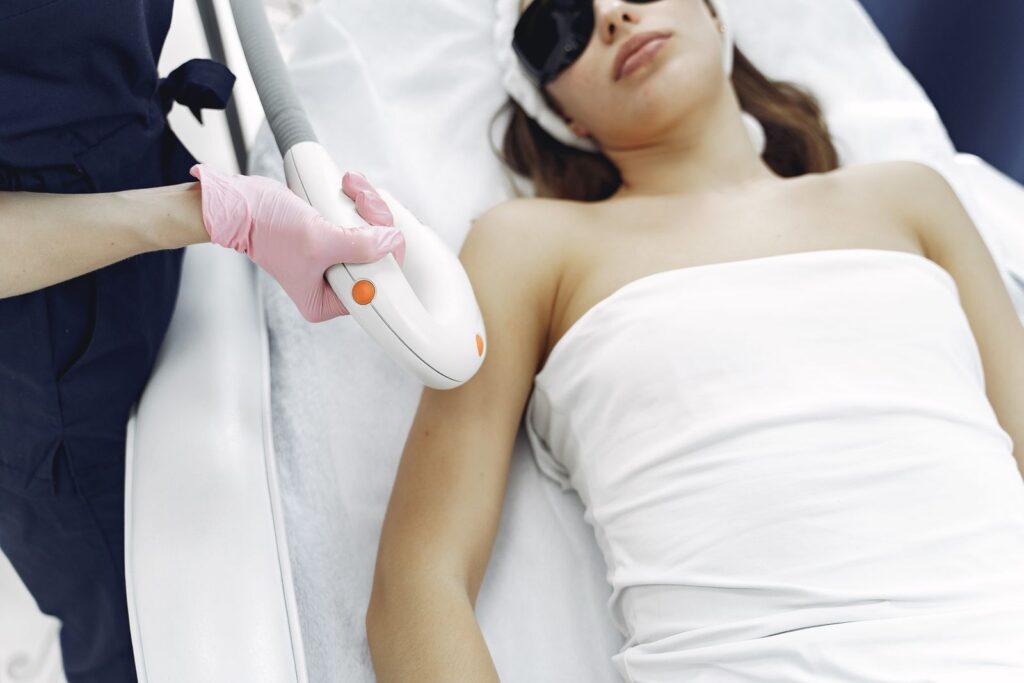
Clinics are stronger and faster. At-home IPL is cheaper and does not require trousers.
Home devices are deliberately gentler, because a machine you use alone in your bathroom cannot safely be as powerful as one operated by a trained person.
So clinics need fewer sessions and often get further. You pay for that, per session, per body part, forever.
Clinics also have laser types considered safer for deeper skin tones. If at-home IPL is not suitable for your skin, a clinic may still be able to treat you.
We break the money down in what IPL costs versus laser clinics, and the tech in IPL vs laser hair removal.
So is at-home IPL worth it?
Yes, if you have dark hair on light or medium skin, you can stick to a routine for a couple of months, and you would be delighted to shave far less often.
No, if your hair is grey, white, red or very light blonde, your skin tone is outside the safe range, or you want to never think about hair again after two goes.
At-home IPL is genuinely good at what it does. Nearly all the disappointment comes from nobody mentioning the limits until after the money has changed hands.
So we put them in the middle of the article instead.
Frequently asked questions
How many at-home IPL sessions before I see results?
Usually three or four sessions before anything visible, and eight to twelve weeks for the full effect. Seeing nothing in the first two weeks is completely normal.
Is at-home IPL permanent?
No. Devices are cleared for permanent hair reduction, not removal. That means measurably less hair that stays less, checked 6, 9 and 12 months after your course. Expect occasional top-ups.
Does at-home IPL work on blonde, red or grey hair?
No. IPL needs the dark colour in hair to absorb the light. Grey and white have none, red absorbs it poorly, and very light blonde has too little. This is a limit of the science, not the device.
Is at-home IPL safe for dark skin?
Not at the deepest tones. Your skin would absorb the light meant for the hair, which risks burns and patchy pigment. Check your device’s skin tone chart, and see a professional if you are close to its limit.
Can I wax between at-home IPL sessions?
No. Waxing, plucking and epilating all pull out the root, which is what the light needs to reach. Shave instead. Shaving leaves the root and just clears the surface.
Does at-home IPL hurt?
Most people describe a warm snap, like being flicked with a small elastic band. It is far easier than waxing, but it is not nothing, whatever some product pages claim. Bikini line and upper lip sting most.
Can I use at-home IPL on my face?
On the lower face only, meaning upper lip, chin and jawline, and only if your device allows it. Never near your eyes or eyebrows. Facial hair also responds least well of anywhere.
Why does my hair still grow right after treatment?
Treated hairs take one to three weeks to fall out, and on the way out they look exactly like new growth. Meanwhile, hairs that were resting carry on as normal. Both are expected.