Short answer: Good IPL aftercare is mostly a list of things you do not do. Cool the skin, keep it out of the sun, skip heat and scrubs for a few days, and shave as often as you like once the redness has gone. Never wax, pluck or epilate between sessions.
IPL aftercare is the short routine that keeps treated skin calm and keeps your course on schedule. It is not complicated, which is lucky, because most of it is common sense wearing a lab coat.
This guide covers what is normal after a session, what to avoid and for how long, how often you can shave between sessions, sun rules, and the warning signs that need a doctor.
The verdict up front: shaving is fine and the sun is not. Get those two right and the rest of IPL aftercare is easy.
What is normal right after IPL?
Mild redness, warmth and slight swelling around each follicle is normal after IPL. Treated skin can feel a bit tight and look like a very mild sunburn.
The Cleveland Clinic says skin might be red, swollen and a little painful after laser hair removal, and that a cold compress on the area helps.
DermNet, the New Zealand dermatology reference, describes IPL specifically: skin turns pink and a little sore straight after, with a mild sunburn feeling that may last a few days.
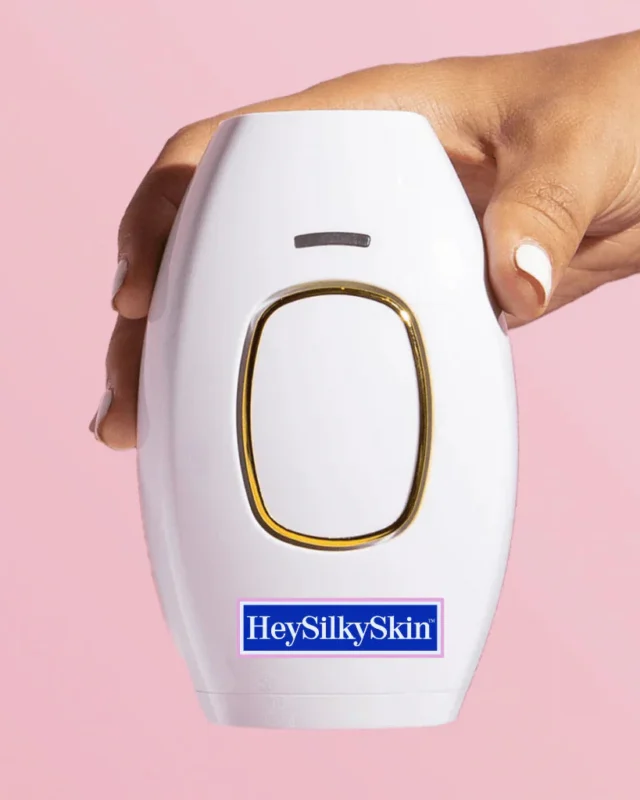
Home handsets run at lower energy than clinic machines. Our IPL Laser Hair Removal Handset page says mild pinkness or warmth for an hour or two after a session is normal.
What is not normal: blistering, crusting, pain that does not fade, or patches of skin changing colour. Those are covered further down.
What should you do in the first 24 hours after IPL?
In the first 24 hours of IPL aftercare, cool the skin, moisturise with something plain, and leave it alone. The first day is the only part that needs active attention. After that, IPL aftercare is mostly restraint.
- Cool the area. A cool compress or a clean damp cloth is ideal. If you use an ice pack, wrap it. Never put ice straight onto treated skin.
- Moisturise with something boring. Fragrance free, plain, no actives. This is not the moment for your exciting serum.
- Wear loose clothing over treated areas. Tight waistbands on a freshly treated bikini line are a bad combination.
- Skip deodorant if you treated your underarms. Healthline’s laser aftercare guide says not to apply deodorant to treated underarms. Give it a day.
- Leave it alone. No scrubbing, no picking, no checking whether it feels different every ten minutes.
What should you avoid after IPL, and for how long?
After IPL, avoid heat, heavy sweat, scrubs, strong actives and tanning, mostly for a few days and tanning for the whole course. Most IPL aftercare mistakes come from doing something normal too soon.
- Hot showers, baths, saunas and steam rooms. Keep water cool or lukewarm for a day or two. Heat on skin you have just heated on purpose is the fastest route to irritation.
- Workouts that leave you drenched. Give it a day or two. Sweat plus friction on sensitive skin is uncomfortable and can bring out spots.
- Body scrubs and exfoliants. Healthline says to avoid body scrubs for at least a few days, as they can irritate the skin. That includes chemical exfoliants like glycolic and salicylic acid.
- Retinoids and strong actives on treated areas. Pause them for a few days.
- Fragranced lotions, perfume and self tan. Fragrance stings. Self tan changes your skin colour, which matters at the next session.
- Swimming pools. Chlorine on irritated skin is unpleasant. A couple of days is sensible.
None of these IPL aftercare rules are forever. They are all measured in days, except the sun, which gets its own section because it is the one people get wrong.
How long should you stay out of the sun after IPL?
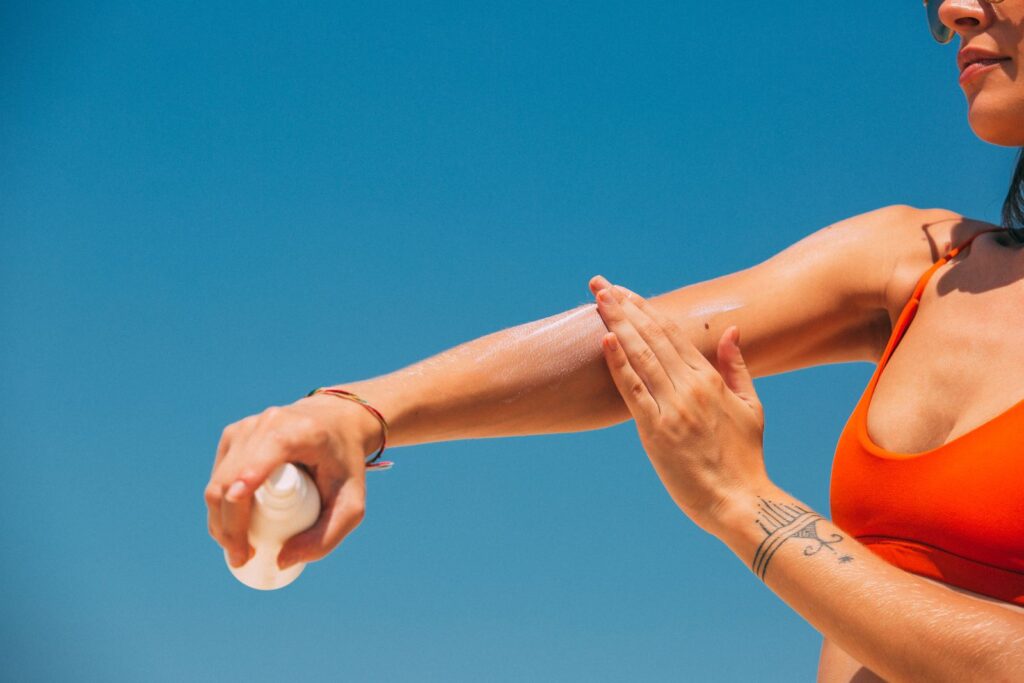
Stay out of strong sun for the whole IPL course, and wear SPF 30 or higher on treated skin every day. This is the most important part of IPL aftercare, and the one people ignore.
Healthline’s guidance for laser hair removal is to avoid the sun from one month before treatment to one month after, then wear sunscreen daily.
A home IPL course runs for months, with a session every couple of weeks. So that one month window never actually closes until the course ends.
The Bristol Laser Centre at North Bristol NHS Trust says the same thing for its patients: high factor sunblock before and during the course, and no sunbeds or fake tan.
The American Academy of Dermatology is specific about the sunscreen: broad spectrum, SPF 30 or higher, water resistant, applied every day before going outdoors.
There are two reasons the sun matters so much in IPL aftercare.
Freshly treated skin burns more easily. It is mildly inflamed and more sensitive than usual.
A tan changes what the device does next time. IPL targets pigment.
A tan adds pigment to your skin, so more of the light lands in the skin instead of the hair. That is how burns and colour changes happen.
The Bristol team notes that the risk of side effects is higher if you are treated with a suntan. Our handset page says not to use it on recently tanned or sunburnt skin at all.
Self tan counts as a tan here, so it is out too. Summer holidays and IPL courses do not mix well. Plan around it, or accept that you will pause.
How often can you shave after IPL?
You can shave as often as you like after IPL, once any redness has gone. There is no limit on how often you shave between sessions, because shaving cuts the hair at the surface and leaves the root in place for the next flash.
On the first shave, Healthline says to wait several hours after skin redness or discolouration has settled. With a home device that is often the same day or the next morning.
After that, shave on whatever rhythm you shaved before. The Bristol NHS team tells its laser patients they can carry on shaving or cutting the hair between treatments.
You will probably find you need to shave less as the course goes on. Treated hairs shed, and what grows back tends to be slower and patchier.
Two timing rules make IPL aftercare and shaving work together:
- Shave before every session. Our handset page says to shave the area clean and dry it before every session. Hair sitting above the skin soaks up light at the surface instead of carrying it down to the root.
- Do not shave over irritated skin. If a patch is still pink or sore, give it another day. Shaving over it is how a calm session turns into razor burn.
If you are not sure how often each area actually needs a razor, our guide to how often you should shave gives the gap for legs, underarms and bikini line.
Clinic laser is a little different. The Cleveland Clinic tells clinic patients to shave two to three days before a treatment. That is clinic guidance; for a home handset, follow your own device’s instructions.
Why must you never wax, pluck or epilate between IPL sessions?
Waxing, plucking and epilating pull the hair out by the root, and IPL needs that root in the follicle to work. This is the single biggest IPL aftercare mistake, and it quietly wastes an entire course.
The light travels down the pigmented hair to heat the follicle. Shaving leaves that path in place. Waxing, plucking and epilating empty the follicle, so the next flash has nothing to target.
The Cleveland Clinic says that once treatment begins, you should avoid waxing, tweezing and plucking in the treated areas. The Bristol NHS team adds depilatory creams to that list.
One wax mid course sets those hairs back to the start. There is no way to get the time back.
We go into the shaving relationship in more depth in IPL vs shaving.
How does IPL aftercare differ by body area?
The same IPL aftercare rules apply everywhere, but each area has one thing to watch. Underarms react to deodorant, the bikini line to friction, the face to skincare actives, and legs to sun.
Underarms
Skip deodorant for about a day, especially anything with alcohol or fragrance. This is where people most often report stinging, and it is nearly always the deodorant rather than the treatment. Loose sleeves help.
Bikini line
The most sensitive area for IPL aftercare. Wear loose cotton underwear and avoid tight waistbands for a day or two, since friction turns mild redness into proper irritation. Skip swimming for a couple of days.
Legs
The easiest area to look after, mostly because you can leave it uncovered. Skip hot baths and the exfoliating mitt for several days. Legs also see the most sun, so sunscreen matters most here.
Face
Pause retinoids, acids and vitamin C on treated areas for a few days, and keep makeup off until any redness settles. Our handset page says to stay below the cheekbones and never flash near the eyes, eyebrows or eyelids.
Arms and stomach
Straightforward. Standard IPL aftercare applies, with the usual sunscreen point for arms, since they are often uncovered.
What does the IPL aftercare timeline look like?
IPL aftercare is busiest in the first day, quiet within a week, and only the sun rule lasts the whole course. Here is the whole thing in one table.
| When | What to do |
|---|---|
| First few hours | Cool compress if needed. Plain moisturiser. Loose clothing. |
| First 24 hours | No deodorant on treated underarms. No heavy sweating. No hot showers. |
| Once redness has gone | Shave as normal. Resume your usual showers and exercise. |
| First few days | No scrubs, exfoliants or strong actives on treated skin. |
| 1 to 3 weeks | Treated hairs shed. This looks like regrowth but is hair falling out. |
| Day before the next session | Shave the area clean. Check the skin is calm and untanned. |
| Whole course | Stay out of strong sun. SPF 30 or higher daily. No waxing, plucking, epilating or hair removal creams. |
When is something wrong after IPL?
Blisters, crusting, worsening swelling, pain that will not settle, colour changes or signs of infection mean something is wrong. Most IPL aftercare is uneventful, so these stand out.
- Blisters or crusting on the treated area.
- Swelling that increases instead of settling after the first day.
- Pain that does not respond to cooling or ordinary pain relief.
- Patches going lighter or darker than the surrounding skin.
- Signs of infection, such as pus or spreading redness.
Healthline lists the same warning signs, including increased swelling, burns or blisters, pigment changes and infection, as reasons to call a doctor.
If any of those appear, stop treating that area and speak to a doctor or dermatologist. Our handset page says to stop and drop an intensity level if you see lasting redness, blistering or any change in skin colour.
It is also worth asking whether the device suits you at all. Burns and pigment changes usually mean the setting was too high, or the skin tone was outside the safe range. Our guide to IPL and your skin tone covers that properly.
Does good IPL aftercare improve your results?
Yes, indirectly, because IPL aftercare keeps you treating on schedule, and the schedule is what drives results. It does not make the flash itself work any better.
The damage to a follicle is done the moment the light fires. What aftercare protects is your ability to turn up for the next session.
Irritated skin means skipping a session. A tan means skipping several.
A wax means starting those hairs again. Every one of those pushes your results further away.
So the honest framing is that IPL aftercare is not a results booster. It is what stops you sabotaging a course that was going fine.
For the full session plan, see how to use the HeySilkySkin IPL handset. For what results look like and how long they take, see does at-home IPL actually work?
Frequently asked questions
How long does redness last after IPL?
With a home handset, usually an hour or two. With stronger clinic laser, Healthline says side effects like redness usually settle within one to three days. Anything blistering or getting worse is not normal.
Can I shave every day between IPL sessions?
Yes. Shaving leaves the root in place, so daily shaving does not affect your IPL results. Just skip any patch that is still red or sore, and shave clean before each session.
Is stubble okay before an IPL session?
Shave it off. Hair above the skin absorbs light at the surface instead of carrying it down to the root. A fresh, clean shave the day before or the day of your session is ideal.
Can I wax between IPL sessions?
No, and this is the biggest IPL aftercare mistake. Waxing, plucking, epilating and hair removal creams interfere with the root the light needs, which resets those hairs entirely.
Can I shower after IPL?
Yes. Good IPL aftercare just means keeping the water cool or lukewarm for a day or two. Hot water on freshly treated skin is a common cause of extra irritation.
How long should I avoid the sun after IPL?
For the whole course. Healthline’s laser guidance is one month before to one month after treatment, and a home IPL course has sessions every few weeks, so that window stays open. Use broad spectrum SPF 30 or higher daily on treated skin.
Why is my hair still growing after IPL?
Treated hairs take one to three weeks to shed, and on the way out they look exactly like new growth. Hairs that were resting during the session also carry on as normal until a later session catches them.
Can I exercise after IPL?
Light exercise is fine. Give it a day or two before anything that leaves you drenched in sweat, since sweat and friction on sensitive skin can cause irritation and spots.
Final thoughts
IPL aftercare comes down to three rules: shave freely, never wax, and keep treated skin out of the sun. Everything else is a few days of being gentle.
If you are mid course and wondering how often to shave, the answer is as often as you like once your skin is calm, plus a clean shave before each session.
If you are still choosing a device, check your skin tone and hair colour first. IPL suits dark hair on light to medium skin. Deeper skin tones are better served by a clinic Nd:YAG laser, and grey, white or red hair needs electrolysis.
If that is you on the right side of those lines, our IPL Laser Hair Removal Handset comes with a 90-day money-back guarantee, which is long enough to run a proper course and look after your skin while you do.