
Short answer: What is an epilator? A handheld electric device with rows of tiny rotating tweezers that pull hairs out by the root. Smooth skin usually lasts about 2 to 4 weeks. It stings, especially the first few times, and it does not stop hair growing back for good.
What is an epilator? It is a handheld electric device that grabs several hairs at once and pulls each one out by the root, a bit like waxing without the wax.
If you met the word on a shop shelf or in a product review and wondered what it means, you are in the right place. To “epilate” simply means to remove hair, and in everyday use it means pulling it out from the root.
This guide covers what the word means (including a medical meaning most people never hear about), how the device works, how long results last, how much it hurts, how to use one safely, and how it compares with waxing, shaving and IPL.
The short verdict: an epilator suits you if you want weeks of smooth skin at home and can put up with a sharp pinch. If you want less hair to grow back at all, it is the wrong tool, and light-based hair reduction or electrolysis is where to look.
What is an epilator?
An epilator is an electrical personal care device that removes hair at the root. That is how dermatologist Matthew Janik, MD, describes it for Cleveland Clinic.
The head of the device holds rows of small metal tweezers or discs. As the head spins, they open, close on hairs and pull them out, over and over, as you glide it across your skin.
Because the whole hair comes out, root and all, the skin stays smooth far longer than after shaving, which only cuts hair at the surface.
Most epilators are cordless or plug-in handsets. Some are “wet and dry” models that also work in the shower.
What does epilate mean?
To epilate means to remove hair, and in everyday use it means pulling hair out by the root. Dictionary.com defines epilate as removing hair “by means of physical, chemical, or radiological agents” and lists depilate as a synonym.
The word came into English from the French épiler, built from the Latin ē (out) and pilus (hair). Dictionary.com dates its first recorded use to between 1885 and 1890.
That gives you the epilator meaning in one line: a device that epilates. Taken literally, it is an out-hair-er. Less catchy than most product names, but more honest.
People search for “epilator meaning”, “epilate meaning”, “epilating meaning” and “epilated meaning” separately, but they are one word in different forms:
| Word | Type | What it means | Example |
|---|---|---|---|
| Epilate | Verb | To remove hair from the root | “I epilate my legs every few weeks.” |
| Epilating | Verb, ongoing | Removing hair from the root right now | “Epilating after a warm shower is easier.” |
| Epilated | Verb, past, or adjective | Hair already removed from the root | “My epilated legs stayed smooth for weeks.” |
| Epilation | Noun | The act of removing hair from the root | “Epilation lasts longer than shaving.” |
| Epilator | Noun | The device that does it | “An epilator has rotating tweezers.” |
Dermatology resource DermNet uses the wider sense. It describes epilation as removing body hair, including the root, with a mechanical device, tweezers or wax.
By that definition, waxing, sugaring and threading all count as epilation. The epilator is simply the electric version.
Does “epilator” mean something different in a clinic?
Yes. In medicine, “epilator” can also mean an electrolysis device. Cleveland Clinic notes that medical electrolysis devices are called epilators, and that they destroy the growth centre of the hair with an electric current.
US regulations use the word the same way. The FDA rule for a tweezer-type epilator describes an electrical device that sends radio frequency or galvanic energy through the tip of a tweezer to remove hair.
So if a clinic offers “epilator treatment”, ask whether they mean electrolysis. That is a professional treatment aimed at removing hair permanently, not the gadget you buy in a shop.
How does an epilator work?
Once you know what an epilator is, the mechanism is simple.
An epilator works by spinning a head of tiny tweezers that close on hairs and pull them out as you move it slowly over the skin. Each hair comes out whole, from the root.
There have been three main designs, according to the history of the device on Wikipedia:
- Spring type. The original design used a coiled spring bent into a curve. As a motor turned it, the coils spread apart on one side and squeezed shut on the other, trapping hairs between them.
- Rotating disc type. A row of metal discs replaced the spring and did the same job.
- Tweezer type. Most modern epilators use metal plates set in a plastic head. Once per turn, the plate tips close together, which creates the tweezing action.
The first epilator was the Epilady, released in Israel in 1986 and made at kibbutz HaGoshrim. The basic idea has barely changed since: grab, pull, repeat.
What is an epilator like today? Newer models add caps for smaller areas. The Philips Satinelle manual we checked, for example, includes a precision cap for the underarms and bikini line that cuts the number of active discs and stretches the skin as you go.
How long does epilating last?
Epilating usually keeps skin smooth for about 2 to 4 weeks, depending on how fast your hair grows. Sources give slightly different numbers.
Braun, which makes epilators, says they give hair-free skin for up to 4 weeks. Healthline puts it at around 3 to 4 weeks, and WebMD says results typically last a couple of weeks.
Dr Janik at Cleveland Clinic suggests using one about once every two to three weeks, which sits in the same range.
Why the spread? Hair does not all grow at once. Each follicle runs its own cycle of growing, pausing and resting.
Describing scalp hair, Cleveland Clinic says 80% to 90% of follicles are in the growth phase at any given time, with about 5% in the transition phase and about 5% resting.
The practical upshot: an epilator removes the hairs that are there today. Follicles that were resting will push new hairs through later, which is why a few strays can appear within days of a thorough session.
Does an epilator hurt?
Yes, an epilator usually hurts, especially the first few times, because every hair is pulled out by the root. It feels like lots of tiny plucks in a row, because that is exactly what it is.
Dr Janik puts it plainly: it works like powerful tweezers, so expect some discomfort.
The good news is that it tends to get easier. The Philips manual says skin may turn a little red and irritated the first few times, and that the irritation decreases as your skin gets used to epilation.
Wikipedia’s entry also notes that epilating regrowth is less painful than the very first session.
How can you make epilating hurt less?
Epilate after a warm shower, on short hair, with the skin pulled tight and the device moving slowly. These tips come from the manufacturers’ own instructions.
- Shower first. Philips says epilation is easier just after a bath or shower. With a dry-only model, dry your skin completely before you start.
- Do not grow your hair long for it. Braun says its epilators catch hairs as short as 0.5mm.
- Stretch the skin. Philips tells you to stretch the skin with your free hand so the hairs stand upright.
- Go slowly and do not press. Philips says to move the head slowly without pressure. Braun suggests taking about 15 seconds from ankle to knee.
- Try it wet, if your model allows. Braun says wet and dry epilating both work, and that using water can reduce discomfort.
- Do it in the evening. Philips and Braun both suggest epilating later in the day so any redness has time to settle.
Start on your lower legs before trying smaller, more sensitive areas such as the underarms.
How do you use an epilator?
To use an epilator, start with clean, dry skin and short hair, hold the head upright against your skin, and move it slowly against the direction of hair growth. Here is the full routine, based on Braun’s guide and the Philips manual.
- Pick your time. Epilate in the evening so any redness can fade overnight.
- Shower and exfoliate. Braun recommends a warm shower and gentle exfoliation first.
- Get your skin ready. For dry use, Philips says skin should be clean, completely dry and free from grease, with no cream applied before you start.
- Stretch the skin with your free hand so the hairs stand up.
- Hold the head at a right angle to your skin. Braun says 90 degrees, and Philips says perpendicular.
- Move slowly against the direction of growth. Do not press down. On legs, that usually means working upwards from ankle to knee.
- Straighten your leg for the back of the knee, as the Philips manual suggests.
- Moisturise afterwards, not before. Braun recommends a nourishing body lotion once you are done.
- Clean the head the way your manual describes before putting it away.
How often? Braun suggests beginners epilate once a week, then move to about once every three weeks once they are used to it.
What are the benefits of epilating?
The main benefit of epilating is weeks of smooth skin from a device you buy once and use at home. Here is what it genuinely does well.
- It lasts far longer than shaving. The American Academy of Dermatology says shaving results are short-lived, so you need to shave daily or every few days.
- No blunt stubble. A razor slices off the tapered tip of each hair, which is why stubble can look thicker. An epilated hair grows back as a new hair with its natural taper.
- It works on short hair. Healthline says an epilator needs hair around 1/8 inch long, while waxing needs 1/4 to 1/2 inch. No awkward week of growing it out.
- It is a one-off cost. Healthline lists epilators at roughly $20 to $100, against $50 to $70 for a single professional wax (prices as listed in October 2025).
- No wax, no creams. There is nothing to heat, spill or leave on your skin.
- It pulls hair of any colour. Because it grips the hair itself, it works on blonde, grey and red hair that light-based methods cannot target.
- It can be gentler than waxing. Dr Janik says it causes less injury to your skin than waxing.
What are the downsides and side effects of epilating?
The main downsides of epilating are pain, redness and a risk of ingrown hairs and inflamed hair follicles. DermNet lists pain, folliculitis, scarring, postinflammatory hyperpigmentation (dark marks) and ingrown hairs as side effects of epilation.
Most people only ever meet the first two. The rest are worth knowing about before you start.
Can an epilator cause ingrown hairs?
Yes, ingrown hairs are a known side effect of epilation. DermNet lists them, and Healthline says ingrown hairs and bumps are fairly common with both epilating and waxing.
Braun says moving the epilator slowly, rather than rushing, reduces the risk. Exfoliating before sessions is part of its routine too.
If you already get them, our guide on how to treat ingrown hairs without making them worse covers what to do next.
Can an epilator cause folliculitis?
It can, although sources disagree on how likely it is. Folliculitis means inflamed hair follicles, which show up as tender red spots, sometimes with a small pus head.
DermNet says an irritant form often appears as hairs regrow after shaving, waxing, electrolysis or plucking, and is frequently very itchy. Its advice is to stop hair removal for about three months after it settles.
Dr Janik, on the other hand, says an epilator does not carry the folliculitis risk of waxing or shaving.
Whichever is right for your skin, red and itchy bumps after epilating are a sign to pause, not to go over the area again.
Who should check with a doctor before epilating?
Check with a doctor first if you have diabetes, haemophilia or a weakened immune system, or if you are pregnant. That list comes from the Philips manual, which gives pregnancy as an example of a reduced immune response.
The same manual says not to epilate over irritated skin, varicose veins, rashes, spots, moles with hairs or wounds without asking a doctor. Other brands print their own warnings, so read the manual that comes with yours.
One more: if thick, dark hair is suddenly appearing on your face, chest, tummy or back, an epilator treats the hair, not the cause. The NHS says to see a GP about it, and to ask for an urgent appointment if it comes on suddenly alongside a deeper voice or more muscle.
How does an epilator compare with waxing, shaving and IPL?
An epilator lasts about as long as waxing and far longer than shaving, but unlike IPL it does nothing to reduce how much hair grows back.
| Method | What it removes | How long skin stays smooth | Hair length needed | Less hair long term? |
|---|---|---|---|---|
| Epilator | Hair and root | About 2 to 4 weeks | Around 1/8 inch | No reliable evidence |
| Waxing | Hair and root | A few weeks or longer | 1/4 to 1/2 inch | Only rarely, after repeated trauma |
| Shaving | Hair at the surface | A day or a few days | Any | No |
| At-home IPL | Damages the follicle over a course | Regrowth reduces over a course of sessions | Shaved short | Yes, permanent hair reduction on suitable hair and skin |
Epilator vs waxing
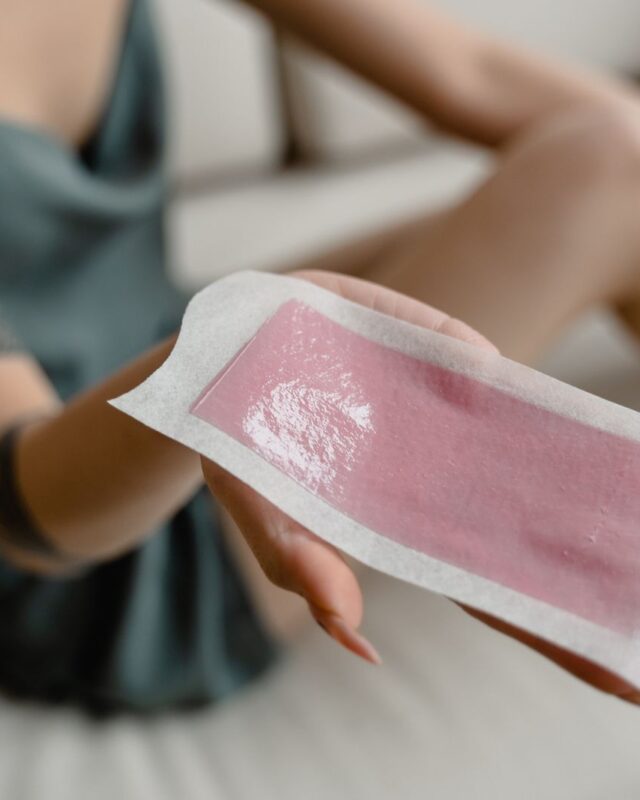
Epilating and waxing both pull hair out by the root, so results last a similar time. The difference is in the details.
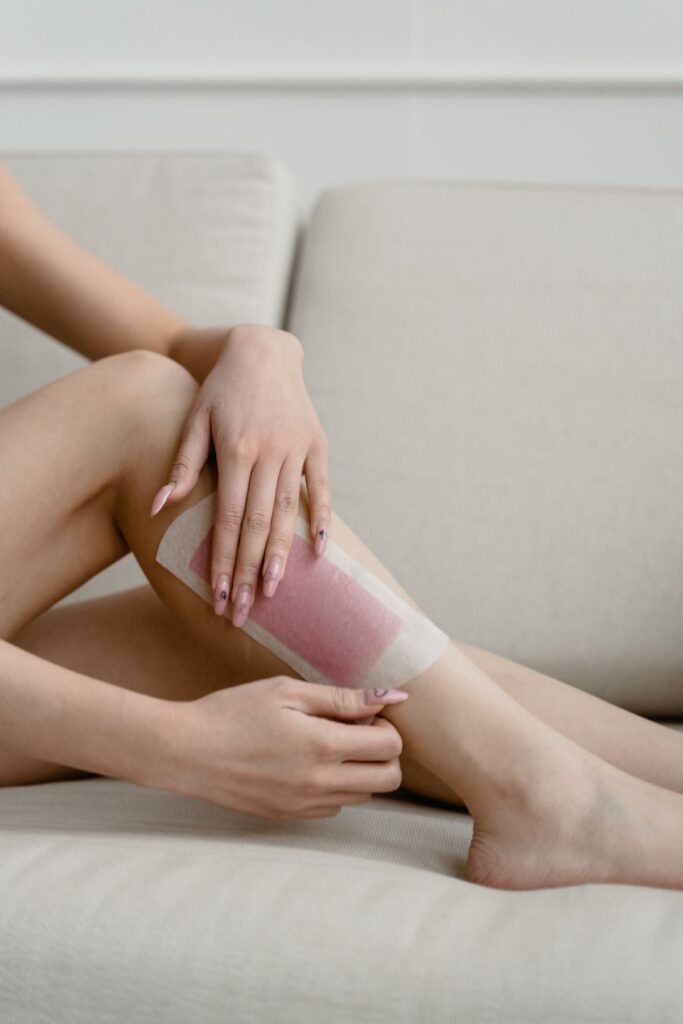
Healthline says epilators work best on large areas such as arms and legs, and catch shorter hair. Waxing, it says, can be used effectively anywhere on the body.
DermNet calls waxing the most effective method of epilation, because it removes hair in large amounts in one go. The trade-off is the mess, the heat, and waiting for hair to reach 1/4 inch.
Both hurt. Healthline describes both as fairly painful depending on your pain tolerance, and neither as the most comfortable way to remove hair.
Epilator vs shaving
An epilator keeps skin smooth for weeks where shaving lasts days, but shaving is quicker and painless. That is really the whole choice.

Shaving does not make hair grow back thicker, despite the myth. The stubble just feels coarse because of its cut tip, as our guide on whether shaving makes hair grow back thicker explains.
If you are sticking with a razor for now, see how often you should shave each body area to keep irritation down.
Epilator vs IPL
An epilator removes the hairs you have today, while IPL damages follicles over a course of sessions so fewer hairs grow back. They solve different problems.
IPL gives permanent hair reduction, meaning less regrowth rather than every hair gone for good. Our guide on whether IPL is permanent explains what that means in practice.
Do not use an epilator during an IPL course. Light needs the root to still be in the follicle, which is why our IPL aftercare guide says to shave between sessions and never wax, pluck or epilate.
IPL also depends on your colouring. It suits dark hair on light to medium skin, and our guide to which skin tones and hair colours IPL works on covers the limits. Deeper skin tones are better served by a clinic Nd:YAG laser.
Does epilating make hair grow back thinner or stop it for good?
No reliable study shows that epilating makes hair grow back thinner, and it does not remove hair permanently. The claim is everywhere online, but we could not find a controlled study that tested it.
The closest evidence is about waxing, which pulls hair out the same way. Scientific American reports that in rare cases, excessive waxing can eventually reduce growth from some follicles because of repeated trauma.
That is a rare result of damage, not a feature to count on. The same article is clear that hair pulled out by the root does not come back stronger either.
Why do some people feel their regrowth is finer? Part of it is the tip. A shaved hair grows back blunt, while a new hair after epilating arrives with a natural taper, so it can feel softer without actually being thinner.
If you want hair to stop coming back, only methods that destroy or damage the follicle do that. Cleveland Clinic describes electrolysis as the only FDA-approved permanent hair removal treatment, and electrolysis vs laser vs IPL compares the three.
What is an epilator best for, and who should skip it?
What is an epilator best for? Weeks of smooth skin at home, on a budget, for people who can tolerate some pain. Here is how that plays out.
- Good fit: you shave every day or two and are tired of stubble on your legs.
- Good fit: your hair is blonde, grey or red, so light-based methods will not work on it.
- Good fit: you want waxing-length results without salon visits or heating wax at home.
- Think twice: you have a low pain tolerance, or your skin already reacts to hair removal with bumps.
- Ask a doctor first: you are pregnant, have diabetes, haemophilia or a weakened immune system, or have varicose veins or raised moles in the area.
- Wrong tool: you want less hair to grow back, or you are partway through an IPL course.
Choosing a method specifically for your bikini line? Our bikini line hair removal methods compared sets epilating against the seven alternatives for that area.
Frequently asked questions
Can you use an epilator on your face?
Only if your model’s manual says it is made for facial hair. The Philips manual we checked covers legs, underarms and the bikini line. For eyebrows and upper lip, DermNet notes that threading is less painful than plucking or waxing.
Can you epilate your underarms and bikini line?
Yes, with care. These areas are more sensitive than legs, so some epilators, such as the Philips Satinelle, come with a cap that covers part of the head and stretches the skin. Start once your legs are used to it, and keep the skin pulled tight.
How long does hair need to be to epilate?
Short. Healthline suggests about 1/8 inch, and Braun says its epilators catch hairs from 0.5mm. You do not need to grow hair out the way you would for waxing.
Is an epilator better than shaving?
It is better if you want smooth skin to last weeks instead of days. Shaving is better if you want no pain and a two-minute routine. Neither changes how thick your hair grows back.
Can you use an epilator between IPL sessions?
No. IPL needs the hair root in the follicle so the light has something to target. Shave between sessions instead, and save epilating for after you have finished the course, if you still need it.
Is it safe to epilate while pregnant?
Check with your doctor or midwife first. The Philips manual lists pregnancy as a time of reduced immune response and says to consult a doctor before epilating.
What is an epilator vs a depilator?
An epilator pulls hair out by the root. A depilatory is usually a cream that breaks hair down at the skin’s surface. Dictionaries treat “epilate” and “depilate” as near synonyms, but on a shop shelf they are very different products.
Can an epilator cause strawberry legs?
It can help or hurt. Cleveland Clinic’s dermatologist suggests epilators as an alternative to shaving for people with dark dots on their legs, but ingrown hairs and inflamed follicles can cause dots too. Our guide on how to get rid of strawberry legs helps you work out which kind you have.
Final thoughts
What is an epilator? A handheld set of spinning tweezers that pulls hair out by the root and keeps skin smooth for roughly 2 to 4 weeks. To epilate simply means to remove hair that way.
If you shave constantly and hate stubble, an epilator is worth trying. Start on your lower legs after a warm shower, go slowly, and expect the first session to be the worst.
If pain is a dealbreaker, stick with shaving, which is quick and painless even if it does not last.
If your skin reacts with bumps or you have a condition on the Philips list, pause and talk to a doctor before trying again.
If what you really want is less hair growing back, look at follicle-level methods instead. For dark hair on light to medium skin, our IPL Laser Hair Removal Handset reduces regrowth over a course of sessions. For deeper skin tones, a clinic Nd:YAG laser is the safer route, and for grey, white or red hair, electrolysis.
Whatever you pick, shower first. Your shins will thank you.