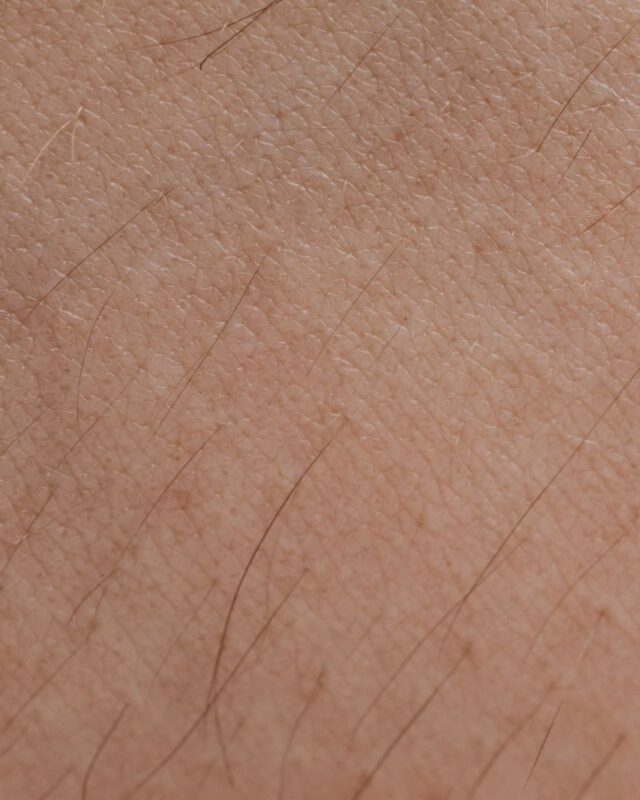

Short answer: When the itch started tells you what it is. Within minutes of shaving it is usually razor burn or dry skin, while a day or three later it is more often regrowing stubble, ingrown hairs or a reaction to a product. Pat instead of scratching, cool the skin, use an unperfumed moisturiser, and see a GP if it spreads, keeps coming back, or comes with discharge or a ring-shaped rash.
Itching after shaving is the prickly, maddening urge to scratch that shows up on freshly shaved skin, sometimes within minutes and sometimes days later.
This page is for anyone who feels itchy after shaving their legs, underarms or bikini line and wants to know whether it needs anything more than a cool flannel.
It covers the six common causes of itching after shaving, sorted by when the itch starts, the look-alike conditions that are not caused by shaving at all, what stops the itch now, and how to prevent it next time.
The short verdict: most shaving itch settles by itself within a few days once you stop shaving the area and stop scratching. The timing is the clue, and the table below turns it into an answer.
Why does skin itch after shaving?
Skin itches after shaving because a razor irritates it, and irritated skin itches. The blade drags across the surface, and in some people it leaves the skin red, dry or inflamed.
The Cleveland Clinic lists itchiness alongside burning, stinging, tenderness and swelling as symptoms of razor burn, the most familiar shaving reaction.
Razor burn is only one cause, though. The itch that arrives two days after a shave usually has a different explanation from the itch that arrives two minutes after it.
That is the useful thing to know. Once you know when your itching after shaving started, you can usually tell what it is.
What is causing your itch? Check when it started
Match the timing and look of your itching after shaving against this table to find the most likely cause. Each row has its own section further down the page.
| When the itch started | Most likely cause | What it looks like | First thing to do |
|---|---|---|---|
| Within minutes to hours | Razor burn | Red, blotchy or streaky rash over the shaved area, stinging | Cool the skin and stop shaving it |
| Same day, lingering | Dry skin | Tight, dull or flaky skin with little redness | Unperfumed moisturiser |
| 1 to 3 days later | Regrowing stubble | Prickly feeling, no rash, worse under tight clothes | Loose clothing, leave it alone |
| 1 to 3 days later | Ingrown hairs or razor bumps | Separate itchy bumps, sometimes with a trapped hair | Do not pick or squeeze |
| 1 to 3 days after a product | Allergy to a product | Itchy rash with a clear edge where the product went | Stop using the product |
| Days later, getting worse | Folliculitis | Tender, itchy spots around hairs, sometimes with pus | See a doctor |
If the itch comes with a ring-shaped rash, a discharge, or itching that is worse at night, go to the section on itches that are not from shaving at all.
Itching straight after shaving: razor burn and dry skin
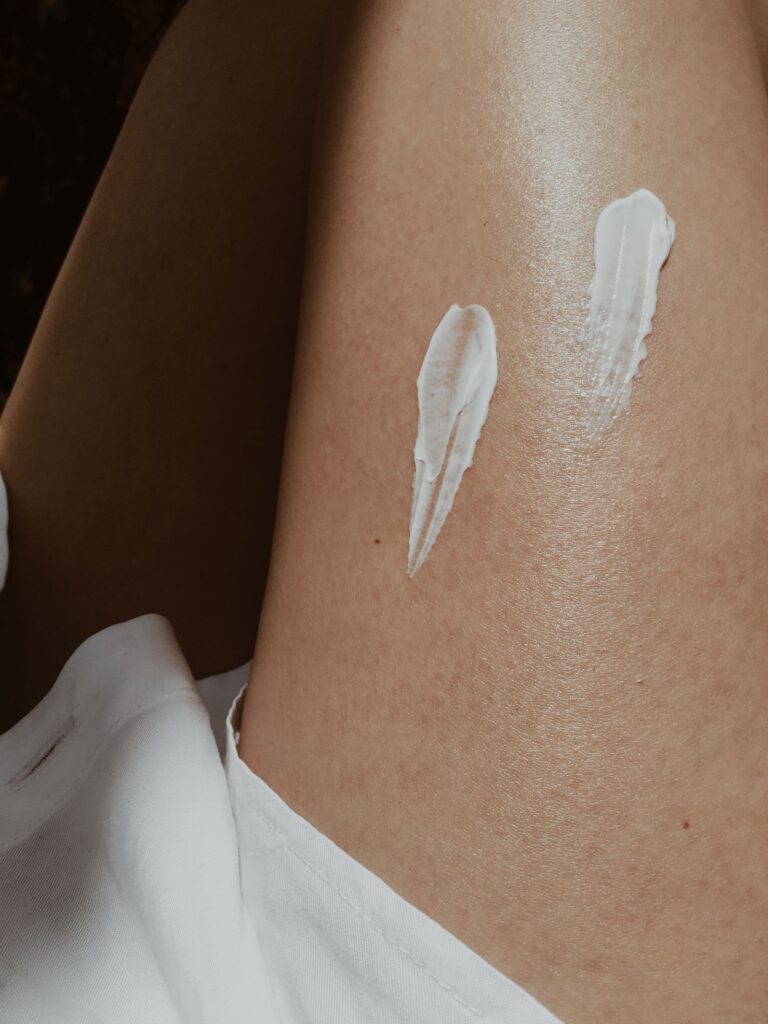
Itching that starts within minutes of shaving is usually razor burn, and a tight, lingering itch later the same day is usually dry skin. Both are surface irritation, and both settle once the skin is left alone.
According to the Cleveland Clinic, razor burn shows up a few minutes after shaving as a red, irritated patch or a streaky rash. It usually lasts from a few hours to a few days.
The common triggers it lists are dry shaving, shaving too fast, an old dull blade, and shaving against the direction of hair growth.
If the itch is mainly on your bikini line and comes with stinging and redness, our guide to razor burn on the bikini area covers treating that specific problem in more detail.
Dry skin is quieter. There is little redness, but the skin feels tight and itchy, particularly on legs after a long hot shower.
The NHS lists dry and irritated skin among the common causes of itchy skin. Its advice is to use an unperfumed moisturiser or emollient regularly, and to keep baths and showers cool or lukewarm rather than long and hot.
Itching a day or two later: stubble, ingrown hairs and bumps
Itching that starts one to three days after shaving usually comes from the hair growing back, either as prickly stubble or as hairs that grow back into the skin. This is the itch most people never connect to the shave, because the shave was days ago.
A shaved hair regrows with a blunt, cut tip instead of a fine point, which is why regrowth feels stubbly and stiff, as we explain in why shaving does not make hair grow back thicker.
On the bikini line, that stubble rubs against underwear all day. The friction alone can itch with no rash at all, and it is a common reason for pubic hair itching when growing back, and for an itchy bikini line a couple of days after a shave.
The NHS advises loose, breathable fabrics and avoiding tight clothing on itchy skin. For this kind of itch, that is the single most useful change.
If the itch comes with separate bumps, some hairs have probably grown back into the skin. The NHS describes ingrown hairs as bumps that are often itchy.
Do not scratch, pick or squeeze them, which the NHS warns risks damaging the skin and causing infection. Our guide on how to treat ingrown hairs covers what actually helps.
If bumps come back in clusters every time you shave, that pattern is razor bumps, and preventing razor bumps is mostly about changing how you shave.
Could your itch be an allergy to a shaving product?
Yes, and it is easy to miss, because an allergic rash usually appears one to three days after a product touches your skin, not straight away. By the time it shows, most people have already blamed the razor.
DermNet explains that allergic contact dermatitis is an itchy rash caused by an allergic reaction to something in contact with the skin, and that it usually appears 24 to 72 hours after contact.
That makes it different from razor burn. Razor burn is irritation, which DermNet notes can affect anyone given enough exposure, while an allergy is your immune system reacting to one particular ingredient.
DermNet lists fragrances and preservatives such as methylisothiazolinone among the common causes. It is worth checking the label of anything you put on shaved skin: gels, foams, body wash and aftershave balms.
The clue is the shape. DermNet describes the rash as well demarcated, so a rash that stops neatly where a product was applied, and returns each time you use it, points to the product rather than the blade.
Stop using the product and see whether the next shave is itch-free. If you cannot pin it down, patch testing, which DermNet calls the gold standard for diagnosis, can identify the exact ingredient.
Could it be folliculitis?
If the itch comes with tender spots around individual hairs, especially spots with pus, it may be folliculitis, an infection of the hair follicles rather than simple irritation. It often starts after shaving.
DermNet describes folliculitis as an itchy, tender eruption of spots around hair follicles that frequently arises after shaving, most often caused by Staphylococcus aureus bacteria.
The difference from ingrown hairs is infection. Spots that are hot, spreading, refilling with pus or getting more painful over several days need a doctor rather than more waiting.
DermNet notes that limited folliculitis may be treated with antibiotic creams, while wider or stubborn cases may need antibiotic tablets. Those are prescription decisions, so this is a GP appointment rather than a pharmacy visit.
When is itching after shaving not from shaving?
Some groin and bikini-area itches that start around the time you shave are not caused by shaving at all, and the main ones are jock itch, thrush and pubic lice. They need their own treatment, and moisturiser will not fix them.
Jock itch
Jock itch is ringworm in the groin, a common fungal infection that is not caused by worms. That is how the NHS describes it.
The rash may be red or darker than the surrounding skin, and scaly, dry, swollen or itchy. It is often ring-shaped, and it can spread through shared towels.
A pharmacist can recommend an antifungal cream, which the NHS says may need using every day for up to 4 weeks. That is why a ring-shaped rash is worth showing to a pharmacist before you treat it as razor burn.
Thrush
Vaginal thrush causes itching and irritation around the vulva and vagina, usually with a white discharge. The NHS describes the discharge as often like cottage cheese, with soreness or stinging when peeing or during sex.
The NHS lists irritated or damaged skin as one of the things that make thrush more likely, so a rough shave and a bout of thrush can genuinely overlap.
Antifungal treatment from a pharmacy usually clears it within 7 to 14 days. The NHS says to see a GP or sexual health clinic if it is your first time, it keeps coming back, or treatment has not worked.
Pubic lice
Pubic lice are tiny insects that live on body hair, and their main symptom is itching that is usually worse at night. That is the NHS description.
Other signs include small red or blue spots on the skin and tiny white or yellow eggs stuck to hairs. They spread mostly through close body contact and are treated with medicated creams or shampoos.
Shaving does not cause any of these three. But if an itch keeps coming back however carefully you shave, one of them is worth ruling out.
How to stop itching after shaving right now
To stop itching after shaving, cool the skin, stop scratching, moisturise with something unperfumed, and give the area a break from the razor. Most shaving itch settles within a few days with just those steps.
- Pat or tap, do not scratch. The NHS suggests patting or tapping itchy skin instead of scratching it, and keeping nails short and clean. Scratching breaks the skin, and broken skin can become infected.
- Hold something cool on it. The NHS recommends a cool, damp towel, and the Cleveland Clinic lists cold compresses for razor burn.
- Keep water cool or lukewarm. The NHS advises cool or lukewarm baths and showers rather than long hot ones.
- Use an unperfumed moisturiser or emollient. Fragrance is one of the common causes of allergic rashes, so this is not the moment for a scented body lotion.
- Wear loose, breathable clothing. The NHS advises avoiding tight clothes and synthetic fabrics on itchy skin.
- Try aloe vera gel or an oatmeal bath. The Cleveland Clinic lists both among home treatments for razor burn.
- Leave the razor alone. DermNet advises that shaving should be avoided until any irritation has resolved.
Is hydrocortisone cream OK for itching after shaving?
A mild hydrocortisone cream can help itchy, irritated skin for a few days, but do not use it on your vulva without asking a pharmacist first. This is the one remedy where the body area really matters.
DermNet says a mild topical corticosteroid cream such as hydrocortisone can help if you have irritation or itching after shaving. The Cleveland Clinic also lists over-the-counter hydrocortisone among treatments for razor burn.
The NHS adds two limits. Do not use it for more than 7 days unless a pharmacist or doctor tells you to, and do not use it on the face, penis or vulva without talking to a pharmacist or doctor first, because it can damage the skin there.
The NHS also says not to use it on cuts or wounds. If your shave left nicks, keep it off those.
How do you prevent itching after shaving next time?
Prevent itching after shaving by cutting down friction, keeping fragrance off freshly shaved skin, and giving skin time to recover between shaves. Technique matters more than any product.
- Never dry shave. The Cleveland Clinic lists dry shaving and shaving too fast as causes of razor burn. Wet the skin and use a shaving gel.
- Let the gel sit. DermNet suggests washing with a moisturising cleanser and warm water, then leaving shaving cream or gel on for 2 to 3 minutes to soften the hair.
- Use a sharp, clean razor. An old, dull blade is another trigger on the Cleveland Clinic’s list, and DermNet advises changing blades as soon as they become blunt.
- Shave with the grain. Shaving against the direction of hair growth is the third, and shaving against the grain explains the trade you are making.
- One pass, then a cold rinse. DermNet notes that going over an area several times is more likely to irritate, and recommends finishing with a cold water rinse.
- Choose unperfumed products. The NHS advises avoiding perfumed soaps and lotions on itchy skin, and fragrance is a common allergen.
- Do not shave every day. The NHS advice on ingrown hairs includes not shaving every day, which also gives irritated skin time to settle. See how often you should shave each area instead.
- Change one product at a time. If you suspect an allergy, swapping everything at once makes it impossible to tell which ingredient caused it.
What if you stopped shaving the area?
If itching after shaving keeps coming back despite good technique, reducing how much hair grows back removes the reason to shave so often. Fewer shaves means fewer chances for razor burn, stubble itch and ingrown hairs.
Light-based hair removal gives permanent hair reduction rather than total removal, as our guide to whether IPL is permanent explains, and it suits some people far better than others.
Dark hair on light to medium skin is where our IPL Laser Hair Removal Handset works, reducing regrowth over a course of sessions.
Deeper skin tones are not suited to most home IPL devices, ours included, and a clinic offering Nd:YAG laser is the safer route. Grey, white or red hair has too little pigment for light to target, so electrolysis is the option.
Check which skin tones and hair colours IPL works on before buying anything. And rule out thrush, jock itch or lice first, because IPL treats hair, not infections.
When should you see a doctor about itching after shaving?
See a GP if the itch does not improve with self-care, keeps coming back, affects your daily life, or comes with spreading spots, pus, discharge or a ring-shaped rash. Those are signs of something other than ordinary shaving irritation.
- The itch does not get better with self-care, or it keeps coming back
- It is affecting your daily life
- A rash lasts more than a few days or looks infected
- Spots are hot, spreading or filling with pus
- Itching comes with a vaginal discharge, especially if it is the first time
- A ring-shaped rash does not clear with antifungal treatment from a pharmacy
- You are pregnant
The first two and the last come from the NHS itchy skin advice, the rash duration from the Cleveland Clinic, and the discharge and ring-shaped rash from the NHS pages on thrush and ringworm.
Frequently asked questions
How long does itching after shaving last?
Razor burn usually lasts from a few hours to a few days, according to the Cleveland Clinic. Itch from regrowing stubble or ingrown hairs can take longer. An itch that lasts more than a few days or keeps returning is worth getting checked.
Why does my bikini line itch two days after shaving?
Most often because the hair is growing back, either as blunt stubble rubbing on underwear or as ingrown hairs. An allergic reaction to a shaving product also tends to appear one to three days after contact, so check whether the rash matches where a product went.
Can I put hydrocortisone cream on my bikini line?
The NHS says not to use hydrocortisone on the vulva without talking to a pharmacist or doctor first, and not for more than 7 days unless advised. Ask a pharmacist about your exact area, and keep it off nicks and cuts.
Is it normal for pubic hair to itch when it grows back?
Yes, it is common. Short regrowth feels stubbly and rubs against clothing, and loose cotton underwear and not scratching usually help. Itching that is worse at night, with tiny spots or eggs on hairs, is a different problem: pubic lice.
Can shaving gel make you itchy?
Yes, if you are allergic to something in it. DermNet lists fragrances and preservatives among the common causes of allergic contact dermatitis, an itchy rash that appears 24 to 72 hours after contact. Switching to an unperfumed product is the simplest test.
Is it OK to shave over itchy skin?
It is better not to. Shaving adds more friction to skin that is already irritated, and shaving over bumps can break the skin. Give the area a few days to settle first.
How can I tell jock itch from razor burn?
Razor burn appears within minutes of shaving and fades over hours to days. Jock itch is a fungal infection that the NHS describes as a rash that may be scaly and ring-shaped, and it needs antifungal treatment rather than moisturiser.
Will IPL stop itching after shaving?
It can reduce it by reducing how much hair grows back, which means fewer shaves. It suits dark hair on light to medium skin, and deeper skin tones should look at clinic Nd:YAG laser. It will not help an itch caused by thrush, jock itch or lice.
Final thoughts
Itching after shaving is mostly a timing puzzle. Minutes later points to razor burn or dry skin, while a day or three later points to regrowth, ingrown hairs or a product allergy.
If it started straight after shaving, cool it, moisturise with something unperfumed and leave the razor alone for a few days.
If it started days later with bumps or a rash, stop the newest product, do not pick, and see a pharmacist or GP if it spreads, has pus, is ring-shaped or comes with a discharge.
If it comes back every time you shave, shaving less is the real fix. For dark hair on light to medium skin, our IPL handset is the at-home route; for deeper skin tones, a clinic Nd:YAG laser; and for light hair, electrolysis.