Short answer: No, IPL is not permanent hair removal. It gives permanent hair reduction, which the FDA defines as a lasting drop in the number of hairs that regrow, still measured 6, 9 and 12 months after treatment ends. Expect fewer, finer hairs after a full course, regrowth starting to show 3 to 6 months later, and regular top-ups to keep it that way.
Is IPL permanent? No. IPL (intense pulsed light) is a light-based treatment that disables hair follicles so fewer hairs grow back, but it does not destroy every follicle for good.
This page is for anyone deciding whether an IPL handset is worth the money. It covers what “permanent” legally means, how much hair actually goes, how long results last, and what upkeep looks like.
The verdict: if you want to shave a fraction as often, IPL delivers that and the reduction holds. If you want to never think about hair again, no light device does that, and only electrolysis comes close.
Is IPL permanent? The short answer
IPL gives permanent hair reduction, not permanent hair removal. Those are two different things, and the difference is not marketing weasel words. It is a regulatory definition.
Permanent hair removal would mean the hair is gone and never returns. Electrolysis is the method that claim belongs to.
Permanent hair reduction means a lasting drop in the number of hairs that grow back. The hairs that go, stay gone. The ones that survive keep growing, usually finer and slower.
The Cleveland Clinic says the same about clinic laser, which is stronger than any home IPL: it isn’t permanent, and some hair will grow back, usually lighter and thinner than before.
So if you are asking whether IPL is permanent in the sense of never shaving again, no. If you are asking whether the reduction is real and lasting, yes.
What does “permanent hair reduction” actually mean?
Permanent hair reduction means fewer hairs regrow, and that drop is still there a year after treatment ends. It is a defined standard, not a vague claim.
The US Food and Drug Administration clears hair removal devices against this definition. In the clearance letter for one diode device, the FDA puts it like this:
“Permanent hair reduction is defined as the long-term, stable reduction in the number of hairs regrowing when measured at 6, 9, and 12 months after the completion of a treatment regime.”
Read that carefully, because it answers the question better than any brand claim.
It says reduction in the number of hairs, not removal of all hair. A device meets the standard if fewer hairs come back, not if none do.
It is measured at 6, 9 and 12 months after you finish. The reduction has to still be there a year later, not just look good the week you stop.
So the regulated answer to “is IPL permanent?” is “it does not all grow back”, not “nothing grows back”. Every honest answer starts there.
Why can’t IPL brands advertise permanent hair removal?
Because regulators have ruled that “permanent hair removal” tells shoppers all their hair will stop growing, and IPL cannot prove that. The clearest example is a UK ruling against one of the biggest brands in the market.
On 7 June 2023 the UK Advertising Standards Authority upheld a complaint against a TV ad for the Braun Silk-expert IPL that claimed “permanent visible hair removal, at home”.
The ASA found that viewers would take the claim to mean hair removal would be permanent, and that the evidence did not back that up. The ad was pulled in that form.
Braun was told not to state or imply that the product removes hair permanently unless it holds adequate evidence for it.
That matters when you are comparing handsets and wondering whether IPL is permanent. If a listing promises permanent removal, it is promising more than a major manufacturer was allowed to say on UK television.
Why can’t IPL remove hair permanently?
IPL can’t remove hair permanently because it only hits follicles in their growing phase, and some damaged follicles recover. Both reasons are biology, not a weak device.
Your hairs are not all growing at the same time. Each follicle cycles through a growing phase, a transition, and a resting phase, and they are all out of step with each other.
Light-based hair removal works properly on a follicle in its growing phase, because that is when the pigmented hair is attached to the structures the heat needs to reach. Flash a patch today and a large share of the follicles there simply are not listening.
That is the whole reason a course of sessions exists. You are not treating the same follicles over and over. You are waiting for different ones to enter the phase where treatment lands.
Damaged is not destroyed. IPL heats a follicle enough to disable it, but some follicles take a smaller dose, recover over months, and start producing hair again. Usually thinner and lighter, which is why long term users describe patchy fine regrowth rather than a full return.
Electrolysis avoids both problems by destroying each follicle individually with an electric current. It is also slow, and done one hair at a time. That comparison is covered in electrolysis vs laser vs IPL.
How long does IPL last after a full course?

IPL results last for months after a full course, with regrowth usually becoming noticeable 3 to 6 months later. The drop in hair count holds; what returns is finer and sparser, and top-ups keep it there.
| Stage | What you see |
|---|---|
| Between sessions | Skin stays smooth for a few weeks, then fine hairs start appearing. That is your cue for the next session. |
| Just after a full course | The biggest visible drop. Most people are shaving far less, or not at all, for a stretch. |
| 3 to 6 months after | Regrowth becomes noticeable. DermNet says it may take 3 to 6 months before regrowth is evident. |
| 6 to 12 months after | The FDA measurement window. A stable reduction should still be visible. What returns is usually finer and patchier than before. |
| Year two onward | Maintenance. Regular top-ups hold the reduction in place. |
The 6 to 8 week smooth window and the 3 to 6 month regrowth timeline both come from DermNet, describing clinic laser. Home IPL is gentler, so treat those as the optimistic end.
How much hair does IPL actually remove? The honest numbers
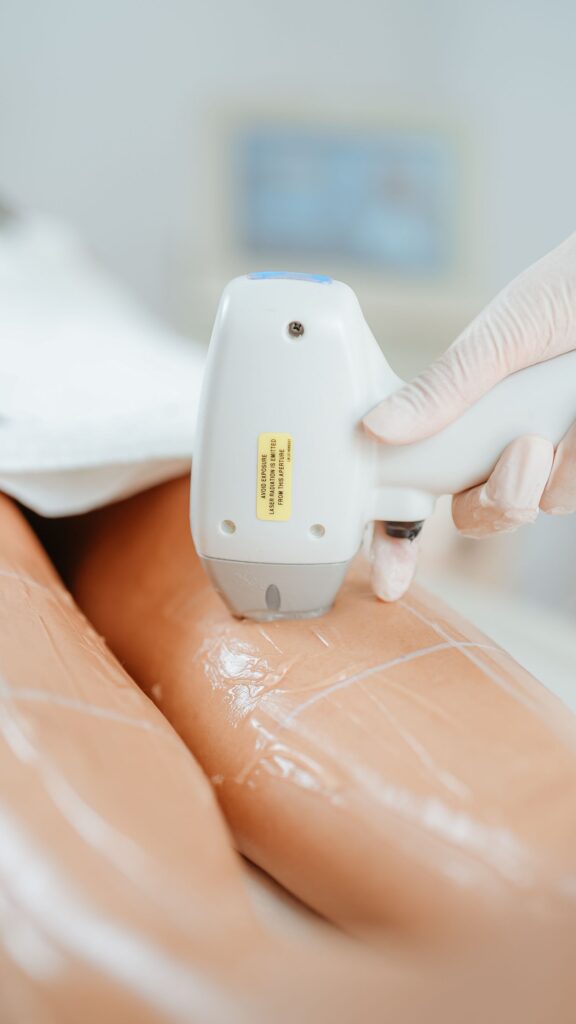
Published studies put home IPL somewhere between about half the hair after six sessions and about 80 percent a year after long term use. The gap between those numbers is mostly about how long people keep going.
A 2023 study put a home device head to head with a professional diode laser, one underarm each, six sessions, on the same fifteen women.
| Device | Hair reduction after 6 sessions |
|---|---|
| Professional diode laser | 85% and 88% |
| Home-use device | 52% and 46.3% |
Roughly half the hair, from a home device, after six sessions. Fifteen people is a small study, and it measured three weeks after the last session, not at the FDA’s 6, 9 and 12 month marks.
A 2019 review in Lasers in Surgery and Medicine by Town and colleagues looked at the longer view. It reports that long term use of one commercial home IPL device gave about 80 percent persistent hair reduction one year after the last treatment.
The same review concludes that home devices give sustained results with periodic maintenance. It also lists poor results on very dark skin as a limitation.
Put together: a short course gets you roughly half, and sticking with it plus maintenance gets you a lot further. Neither study found zero hair, which is why the answer to “is IPL permanent?” stays no.
How many IPL sessions does it take?
Expect a course of several months, not a few sessions. DermNet’s IPL page says a course of 4 to 6 sessions every 3 to 6 weeks may be needed, and the Cleveland Clinic puts clinic laser at six to eight treatments.
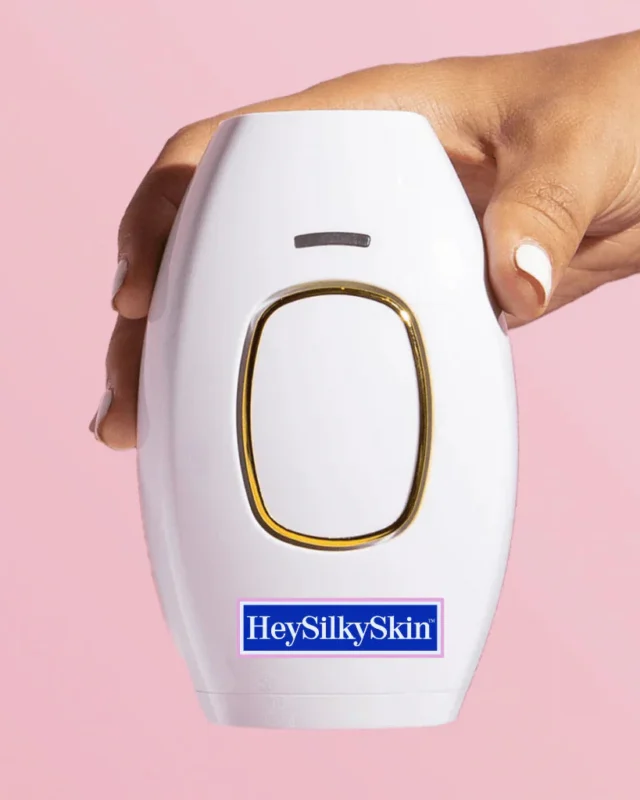
Home handsets run at lower energy per flash, so their schedules are longer and closer together. Our handset’s manual says every 2 weeks for 6 sessions, then every 4 weeks, then touch-ups every 2 to 3 months.
The spacing is not padding. It exists so each session catches a different set of follicles in their growing phase. Doing sessions closer together than the manual says does not speed anything up.
If results feel disappointing at session three, that is normal and not a sign the device is broken. How to use the HeySilkySkin IPL handset walks through the full schedule, and does at-home IPL actually work? covers what to expect along the way.
Do you need IPL maintenance sessions forever?
Realistically, yes, and anyone telling you otherwise is selling something. The difference is that maintenance is quick and occasional, not a full course.
With our handset, the manual moves you to a touch-up every 2 to 3 months once the course is done. Clinic laser patients get longer gaps: the Bristol Laser Centre at North Bristol NHS Trust says many people have top-ups once or twice a year.
Think of it like a filling rather than a haircut. The bulk of the work happens once, and then there is a small ongoing commitment to keep it where it is.
Compared with shaving every two or three days for the rest of your life, that is still a very large cut in effort. It is just not zero.
What makes IPL results last longer, or not?
Hair colour, skin tone, finishing the course, hormones and body area decide how long IPL results last. They matter more than which handset you bought.
Hair colour and skin tone. IPL targets pigment in the hair. Dark hair on light to medium skin gives the strongest contrast and the best results.
Grey, white, red and very blonde hair have too little pigment for the light to find.
Finishing the course. The most common reason people say IPL did not work is stopping at session four because it was not dramatic yet.
Hormones. PCOS, pregnancy, menopause and some medications can wake up follicles that were not producing hair when you treated the area. IPL cannot treat a follicle before it starts growing.
The body area. Coarse dark hair on legs and underarms responds better than fine hair on the face. Facial hair in women is often hormone driven, which loops back to the point above.
Waxing mid course. Waxing, plucking and epilating pull out the root the light needs. Shave between sessions instead; IPL aftercare explains why and how often.
Is IPL permanent for every skin tone?
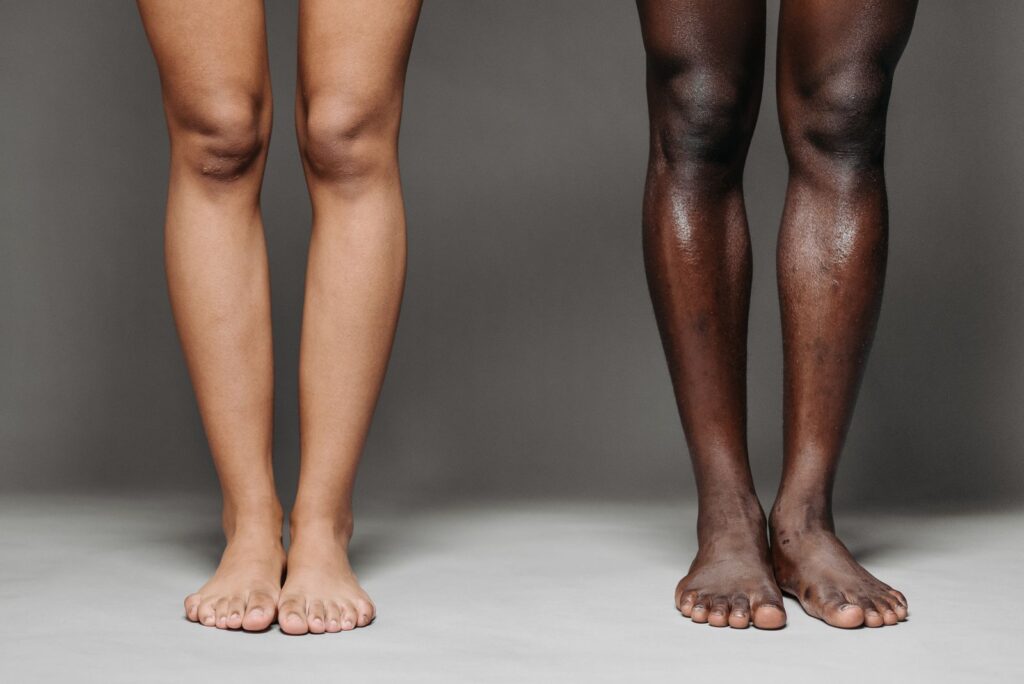
No. IPL is not safe at the deepest skin tones, so the question of permanence never comes up there. For some readers this matters far more than how long results last.
Most home IPL devices, ours included, are not suitable for deep skin. IPL cannot reliably tell pigment in the hair from pigment in the skin, so on deep skin it risks burns and colour changes rather than results.
If that is you, a clinic offering Nd:YAG laser is the right route. The Bristol NHS team notes that Nd:YAG suits darker skin, and that laser does not work on white or blonde hair.
Check will IPL work on my skin tone and hair colour? before buying anything, from us or anyone else. IPL vs laser hair removal covers how the two technologies differ.
Is IPL worth it if it is not permanent?
IPL is worth it if your goal is far less shaving, and not worth it if you need every hair gone forever. It depends entirely on what you expected when you asked.
If you wanted to never think about hair again, no light device delivers that. Electrolysis is the route that comes closest, and it is slow and expensive.
If you want to shave a fraction as often, with finer regrowth, then a course of IPL followed by occasional top-ups does that, and the reduction holds.
The side benefit people underrate: less shaving means fewer ingrown hairs and less razor burn, because you have removed the cause instead of managing it.
Frequently asked questions
Is IPL permanent hair removal?
No. IPL gives permanent hair reduction, which the FDA defines as a long-term, stable reduction in the number of hairs regrowing, measured at 6, 9 and 12 months after treatment ends. Permanent removal, where nothing regrows, is a claim that belongs to electrolysis.
How long does IPL hair removal last?
After a full course, DermNet says regrowth may take 3 to 6 months to become evident, and what returns is usually finer and sparser. The reduction in hair count lasts much longer than that with regular top-ups.
Does hair grow back after IPL?
Some does. Hairs whose follicles were properly disabled do not come back, but others were resting when you treated them, or took a smaller dose and recovered. The Cleveland Clinic notes regrowth is usually lighter and thinner than before.
Does IPL permanently remove hair after enough sessions?
No number of sessions guarantees that every hair is gone. A 2019 review reported about 80 percent persistent reduction a year after long term use of one home device, which is a big drop but not zero.
Is IPL permanent on the face?
It is less reliable on the face than on legs or underarms. Facial hair is often finer, and in women it is frequently hormone driven, so follicles that were never treated can start producing hair. Expect more frequent top-ups there.
How much hair does at-home IPL remove?
A 2023 study found about 46 to 52 percent reduction from a home device after six sessions, against 85 to 88 percent from a clinic laser. With only fifteen participants, treat it as a guide rather than a promise.
How often do I need IPL top-ups?
With our handset, the manual says a touch-up every 2 to 3 months after the initial course. Clinic laser patients often need top-ups only once or twice a year, according to the Bristol Laser Centre.
Is IPL permanent if I have grey or blonde hair?
IPL will not reduce grey, white, red or most blonde hair at all. It targets pigment in the hair, and those colours do not have enough for the light to act on. Electrolysis works regardless of hair colour.
Final thoughts
Is IPL permanent? No, but the reduction it gives is real, measurable and long lasting. That is the honest middle ground between “it is a scam” and “never shave again”.
If you have dark hair on light to medium skin and want to shave far less, IPL is a good fit. Finish the full course, shave rather than wax between sessions, and plan on quick top-ups.
If your skin is deep, look at a clinic Nd:YAG laser instead. If your hair is grey, white or red, electrolysis is the method that works.
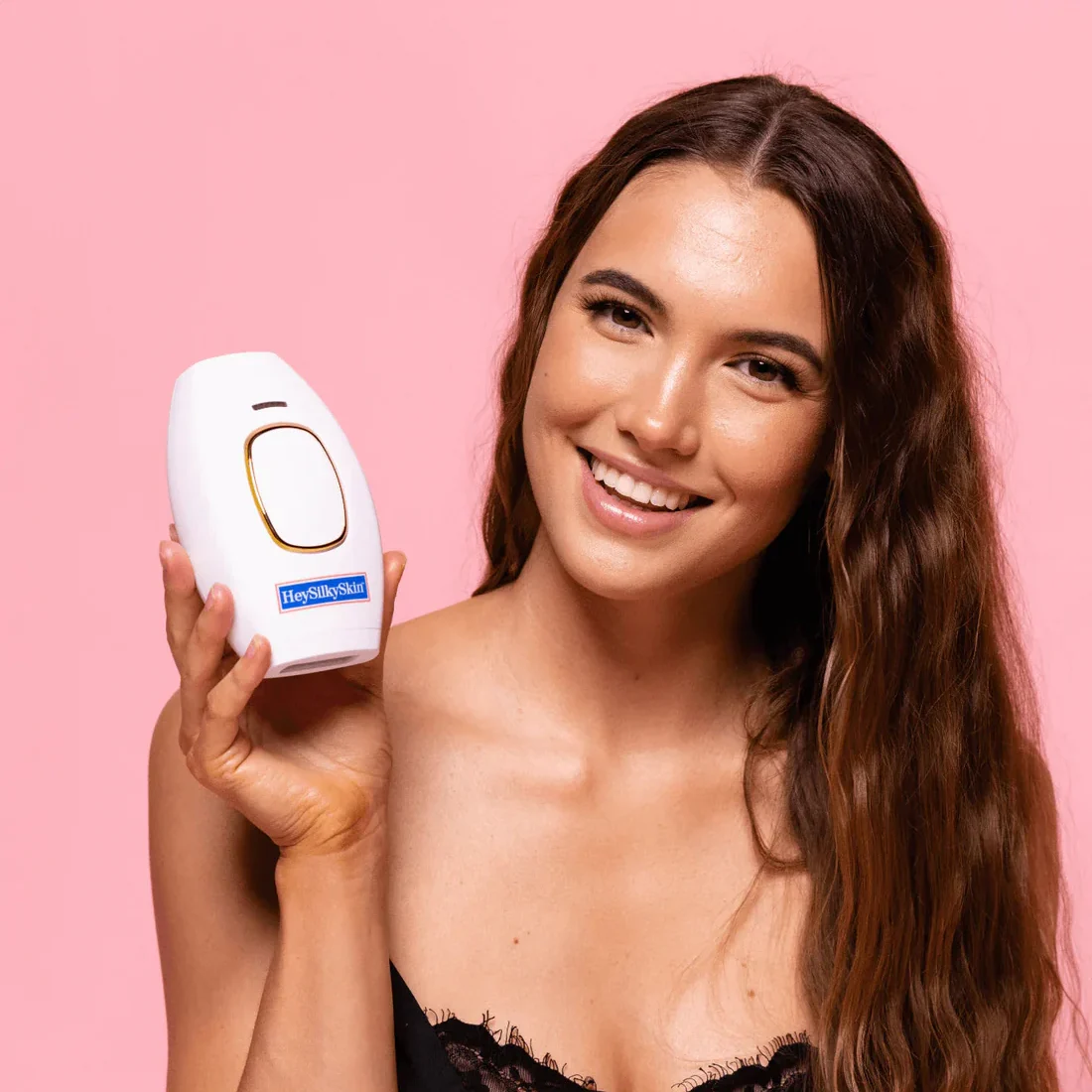
For readers in the first group, our IPL Laser Hair Removal Handset comes with a 90-day money-back guarantee, long enough to see whether the reduction works for you.