Short answer: Razor burn on the bikini area is irritant contact dermatitis, a surface reaction to the blade. Cool the skin, leave it alone, moisturise with something fragrance free, and do not shave again until it has calmed down. Most cases settle in a few days.
Razor burn on the bikini area is the stinging, red, furious feeling that shows up about twenty minutes after you thought you had got away with it.
It is not a rash you caught. It is not a hygiene problem. It is your skin objecting to being scraped with a small piece of metal in one of the thinnest places you own.
Here is what it actually is, how to calm it down, and how to stop the next shave doing the same thing.
What is razor burn on the bikini area?
Razor burn is irritant contact dermatitis. The blade removes hair, and on its way past it also takes off some of the outer layer of skin that keeps water in and irritants out.
DermNet lists it plainly among the side effects of shaving, alongside itching, nicks, folliculitis and ingrown hairs.
The result is diffuse redness, heat and stinging across the whole area you shaved, not in one spot.
That word “diffuse” is the useful part. Razor burn is a general complaint from a whole region of skin. One angry bump on its own is a different problem.
Why is the bikini area so much worse than your legs?
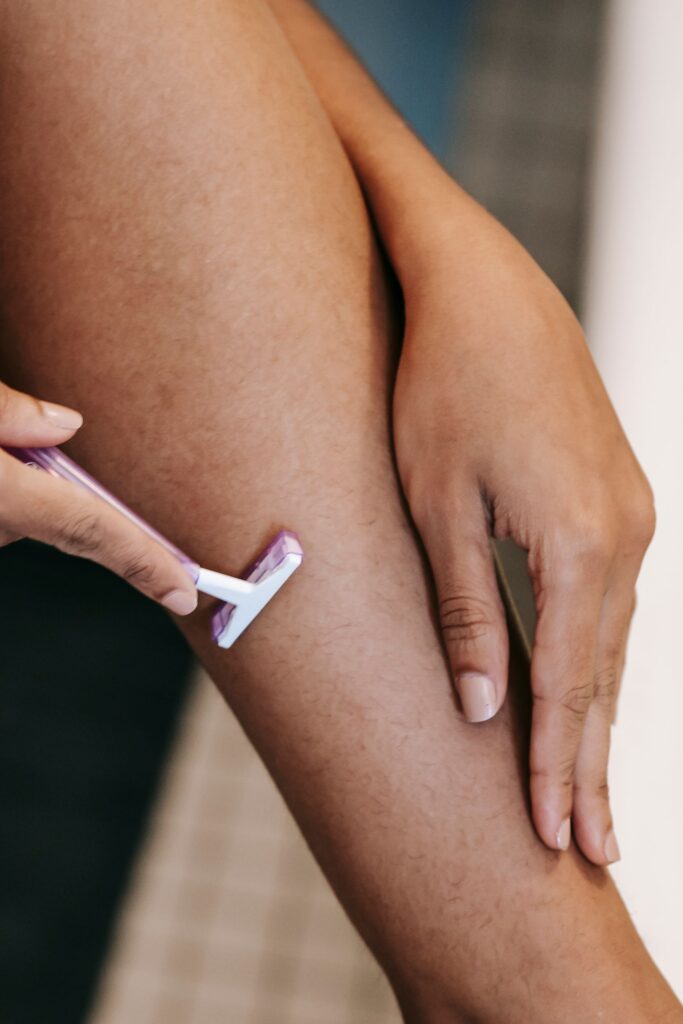
You can shave your shins for years and never think about it, then shave your bikini line once and regret your entire afternoon.
Three things stack up down there.
The skin is thinner and has more nerve endings. The same amount of blade friction registers as far more sensation.
The hair is coarse and curly. It takes more passes to cut, and more passes means more friction, which is exactly what causes razor burn.
It gets covered up immediately. Underwear, leggings and a walk to the shops mean freshly stripped skin is rubbed against fabric for the rest of the day.
Your legs get air. Your bikini line gets a friction sandwich.
It is common enough to have been counted. A 2017 study in JAMA Dermatology surveyed 7,570 adults in the United States and found that among people who groom their pubic hair, around 25.6 percent had injured themselves doing it. Cuts were the most common, then burns and rashes.
So if you are sat there feeling like you have done something uniquely wrong, roughly one in four groomers is right there with you.
Is it razor burn, razor bumps, or an ingrown hair?
These three get used as if they mean the same thing. They do not, and the treatment is different for each.
| What it is | Looks like | When it turns up | |
|---|---|---|---|
| Razor burn | Surface irritation from blade friction | Broad redness, heat, stinging across the whole shaved area | Within minutes to hours |
| Ingrown hair | A single hair trapped under the skin | One bump, sometimes with a dark loop of hair visible inside | Days later |
| Razor bumps | Inflammatory reaction to many hairs growing back into skin | Clusters of small firm bumps that keep returning | 1 to 3 days after shaving, over and over |
Razor burn is the fastest of the three to arrive and the fastest to leave. If your skin is angry the same day you shaved, that is razor burn.
If small bumps appear two days later and come back every single time you shave, read how to prevent razor bumps instead, because the cause and the fix are genuinely different.
How do you treat razor burn on the bikini area?
The good news is that razor burn responds well to doing almost nothing, competently.
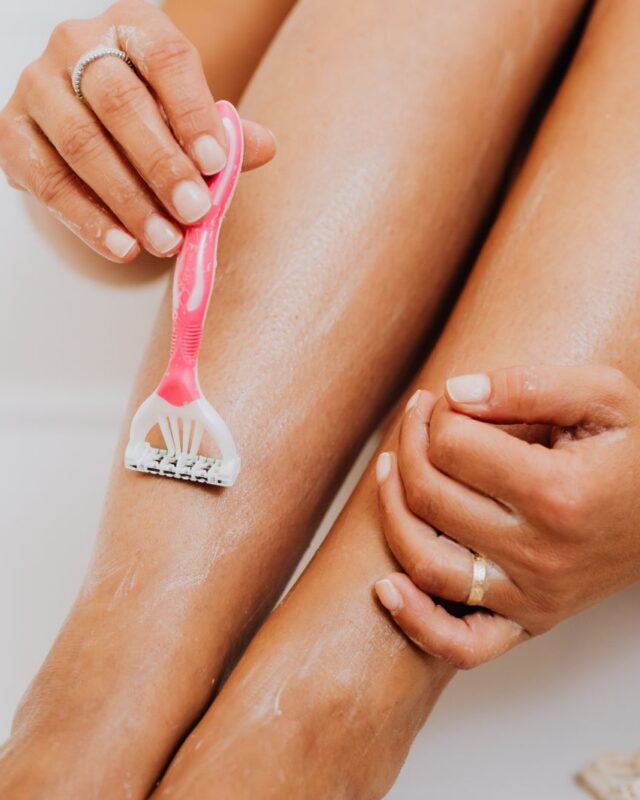
- Cool the skin. DermNet recommends finishing a shave with a cold water rinse to reduce inflammation, and the same applies after the fact. A cool damp flannel for ten minutes beats anything you can buy.
- Stop shaving that area. DermNet is direct about this: avoid shaving until the irritation has resolved. Shaving over razor burn is how a two day problem becomes a two week one.
- Moisturise, fragrance free. The AAD’s guidance on pubic hair grooming is to apply a fragrance free moisturiser afterwards to combat dryness and irritation. Your skin barrier is damaged, so this is repair work, not pampering.
- Consider a mild hydrocortisone cream. DermNet says that if you have irritation or itching after shaving, a mild topical corticosteroid cream can be applied. Use it sparingly, briefly, and ask a pharmacist about using it on that area.
- Wear loose cotton. Every hour in tight leggings is another hour of the friction that started this.
- Do not scratch it. Scratching breaks skin, and broken skin in that area invites infection.
Notice what is not on that list: exfoliating, alcohol based aftershave, and anything that tingles. Inflamed skin does not need stimulating, it needs leaving alone.
How long does razor burn on the bikini area last?
Assuming you stop shaving it and resist the urge to interfere, the timeline is short.
| Time | What is happening |
|---|---|
| First few hours | Peak stinging and redness. This is the worst of it. |
| Day 1 to 2 | Heat and sting fade. Skin may feel tight or dry as the barrier repairs. |
| Day 2 to 4 | Redness mostly gone. Most people are back to normal here. |
| Day 5 onward | If it is still angry, or has turned into distinct bumps or spots, it is no longer plain razor burn. |
Razor burn that outstays a week is worth a second look. It may have become folliculitis, which is inflamed or infected hair follicles, and that is a different conversation.
What makes bikini razor burn worse?
A short list of things done with the best of intentions.
- Shaving again to “tidy it up”. The single most effective way to keep razor burn going.
- Exfoliating an inflamed area. Scrubbing already damaged skin adds injury to irritation.
- Alcohol heavy aftershave or witch hazel. The sting is the point for some people. It is also drying skin that has just lost its barrier.
- Heavily fragranced body lotion. Fragrance is one of the most common contact irritants, and this is not the moment.
- Hot baths. Heat on inflamed skin feels good for about four seconds.
- Tight synthetic underwear. Friction plus trapped moisture, which is also how folliculitis starts.
How do you prevent razor burn on the bikini area next time?
Razor burn is a friction problem, so every fix below is about reducing friction.
Soften the hair first. DermNet advises washing the area with a moisturising cleanser and warm water before you start. The AAD suggests shaving at the end of your shower, or holding a warm damp washcloth to the area first.
Let the shaving gel sit. DermNet specifically says to apply shaving cream or gel and allow it to sit for two to three minutes. Almost nobody does this, and it is one of the highest value habits on this page.
Use a genuinely sharp blade. DermNet puts it bluntly: always use a new sharp razor, and change blades as soon as they become blunt or nicked. The AAD is more specific, recommending you replace a blade or bin a disposable razor after five to seven shaves.
Shave in the direction the hair grows. Both sources agree on this one. DermNet notes you are more likely to get razor burn when you shave against the growth.
Aim for one pass. DermNet’s phrasing is that going over an area several times is more likely to cause skin irritation. Accept slightly less smooth in exchange for skin that is not on fire.
Rinse the blade after every stroke. A blade clogged with hair and gel drags instead of cutting.
Finish cold, then moisturise. Cold water rinse to settle inflammation, then a fragrance free moisturiser to rebuild the barrier.
Stand up. This sounds like a joke and is not. The AAD’s first tip for grooming pubic hair is to stand while you do it, because it improves visibility, and injuries in the medical literature often involved people lying down.
Shave less often. Every shave is another round of friction on skin that has not finished repairing from the last one.
What if you stopped shaving there altogether?
No blade, no blade friction, no razor burn. Every tip above is damage limitation on a problem your next shave recreates from scratch.
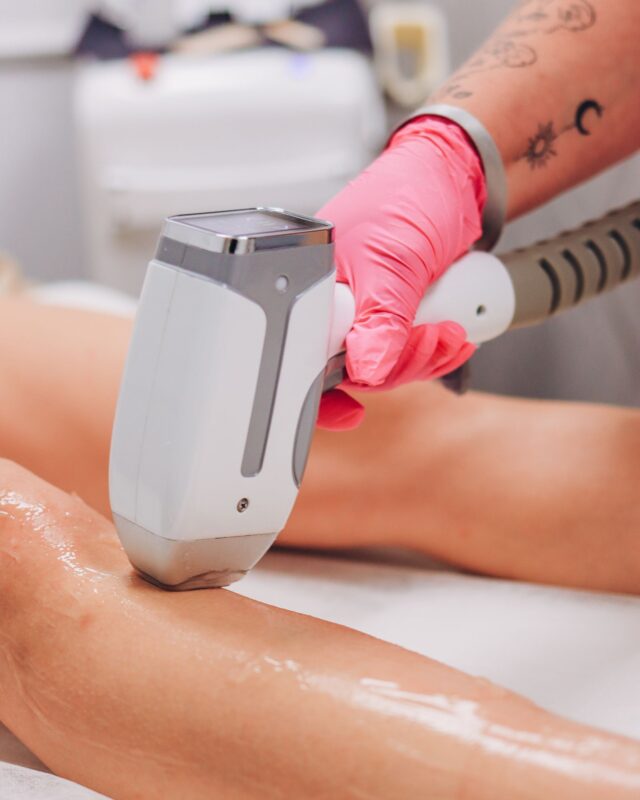
That is why the AAD’s own list of pubic grooming tips ends with laser hair removal, noting that permanent hair reduction removes the trimming and shaving injuries along with the hair.
Whether a home device suits you depends on your hair and skin, and this genuinely matters rather than being a formality.
Dark hair on light to medium skin is where home IPL works. It reduces how much hair grows back over a course of sessions, so there is less to shave and less reason to pick up a razor at all.
Deeper skin tones are not suited to most home IPL devices, including ours. A clinic offering Nd:YAG laser is the safer route, and we would rather tell you that than sell you something that cannot work safely for you.
Grey, white or red hair will not respond to IPL or laser, because there is no pigment for the light to target. Electrolysis is the option there, covered in electrolysis vs laser vs IPL.
Work out which group you are in first with will IPL work on my skin tone and hair colour?, and if you want the honest side by side against your razor, read IPL vs shaving.
One thing worth knowing before you start: IPL needs the area shaved beforehand, so treat any existing razor burn first. IPL aftercare covers looking after the skin between sessions.
When should you see a doctor about razor burn on the bikini area?
Most razor burn needs patience and a cold flannel. Get it looked at if you have:
- Redness that is spreading rather than settling after three or four days
- Pus filled spots, or bumps that are hot and painful to touch
- A cut that will not stop bleeding or is gaping
- Swelling, warmth, or red streaks moving away from the area
- Fever alongside any of the above
- Razor burn every single time you shave, no matter how careful you are
The AAD notes that grooming injuries in that area create tiny breaks in the skin, which can make it easier to pick up a sexually transmitted infection. That is a reason to take an infection that is not settling seriously, not a reason to panic.
Frequently asked questions
How do you get rid of razor burn on the bikini area fast?
Cool the skin with a cold damp cloth, apply a fragrance free moisturiser, wear loose cotton and stop shaving the area. Most razor burn settles within two to four days. There is no genuine way to make it vanish in an hour.
How long does razor burn on the bikini area last?
Usually two to four days if you leave it alone. The stinging fades first, then the redness. Anything still angry after a week is likely folliculitis rather than plain razor burn, and is worth showing a doctor.
Can I put hydrocortisone cream on my bikini line?
DermNet says a mild topical corticosteroid can be applied for post-shave irritation and itching. That area is thin and absorbent though, so use it sparingly, for a few days at most, and ask a pharmacist first.
Is razor burn the same as razor bumps?
No. Razor burn is broad surface irritation from blade friction and shows up within hours. Razor bumps are an inflammatory reaction to hairs growing back into the skin, appear a day or three later, and recur with every shave.
Should I shave with or against the grain on my bikini line?
With the grain. DermNet notes that shaving against the direction of growth makes razor burn more likely, and it also leaves a sharper hair tip that causes razor bumps later.
Why do I get razor burn on my bikini area but not my legs?
The skin there is thinner and more sensitive, the hair is coarser so it takes more passes to cut, and clothing rubs the freshly shaved skin all day. Your legs get none of that.
Does shaving cream actually prevent razor burn?
Yes, and letting it sit matters as much as using it. DermNet recommends applying shaving cream or gel and leaving it for two to three minutes so the hair softens before the blade arrives.
Will IPL stop razor burn for good?
It removes the cause rather than treating the symptom, because less hair means fewer shaves and less blade friction. It suits dark hair on light to medium skin. Deeper skin tones should look at Nd:YAG laser at a clinic instead.